



Ice Fishing Tips from a SCHEELS Expert
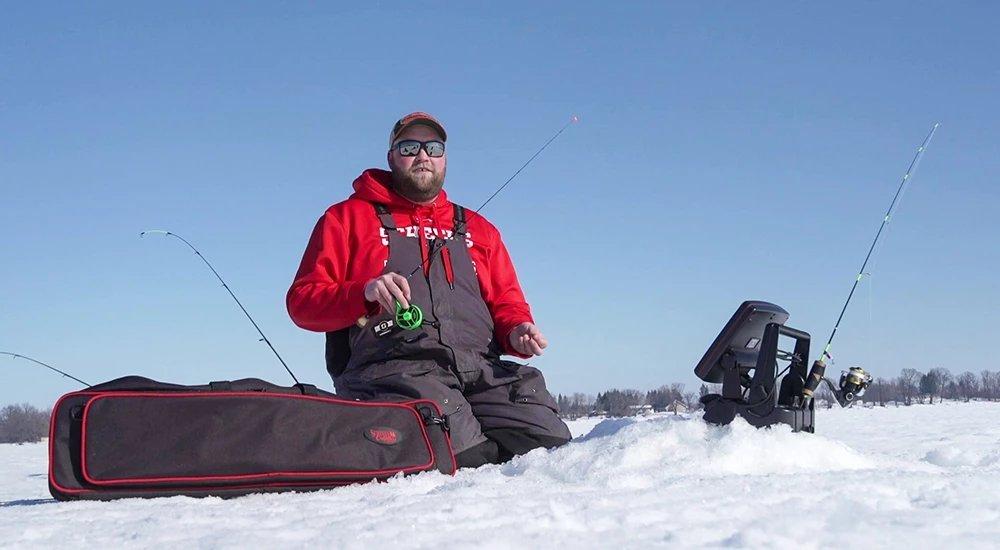
Looking to improve your success this ice fishing season? SCHEELS Ice Fishing Expert Ben Olson is here to give you some helpful tips so you can put more fish on the ice. Whether you want to learn strategies for late-season ice fishing, how to find fish on a new lake, or how to set up your ice fishing rig, check out Ben’s advice for ice anglers of all experience levels!
#1: Late-Season Ice Fishing Tips for Panfish
As winter transitions into late February and early March, panfish start moving toward their spawning areas.
Ben’s Best Tip | Focus on spots where water flows into the lake—such as river channels—or look for flat, shallow areas near potential spawning grounds.
Best Lures for Late-Season Panfish
-
Start Big: Begin with a larger spoon lure to attract aggressive fish.
-
Downsize if Needed: If fish aren’t reacting, switch to a tungsten jig tipped with a wax worm for a more subtle presentation.
#2: Tip-Up Fishing for Northern Pike
If you’re targeting northern pike through the ice, tip-ups are one of the most effective methods. Here’s how to adjust your strategy throughout the season:
Early Ice Season
Set up your tip-up near weed beds in shallow water. These areas hold baitfish and attract active pike early in the season.
Late Ice Season
As the season progresses, move toward spawning areas—especially shallow flats near incoming water sources. Pike are one of the first fish to spawn in spring, so during late ice they can often be found in water as shallow as 2 to 4 feet.
Related Expert Content: How to Set Up a Tip-Up >
#3: How to Find Fish on a New Lake
Fishing on an unfamiliar lake? Ben Olson recommends starting with your fish finder before you even step on the ice. Modern fish finders with GPS and lake charts make it easier than ever to locate productive spots.
Pre-Trip Planning
-
Check the Map: Look for holes, flats, or structure during early ice.
-
Late Season: Focus on potential spawning areas, such as holes near shallow flats or inflow points.
Mark Waypoints
Once you find promising areas, mark them using the waypoint feature on your fish finder. This allows you to return quickly without guesswork.
On the Ice
Mount your fish finder on your snowmobile or ATV, or keep it in your lap as you travel. This setup helps you navigate to productive spots faster, maximizing your fishing time.
Related Expert Content about Fish Finders:
#4: Ice Fishing Tips for Eelpout (Burbot)
Eelpout—also known as burbot—have become a popular target for late-season ice anglers. Here’s how to increase your chances of landing one:
When to Fish
Eelpout are most active during the evening hours, especially in late February as the season winds down.
Where to Fish
Focus on areas with a gravel bottom, where eelpout typically feed.
Best Setup for Eelpout
-
Use heavy, glowing jigs to grab their attention.
-
Pair with a medium to medium-heavy rod for the weight of the lure and potential size of the fish.
-
Ben’s Best Tip | Pound the jig into the bottom to create disturbance—this attracts eelpout to strike.
#5: How to Ice Fish with Two Rods
Using two rods can help you cover more water and catch different types of fish. Ben Olson recommends this strategy for ice anglers who want to increase their chances on the ice.
Active Rod
Your active rod is the one you hold in your hand and actively jig to trigger strikes from aggressive fish. This is your main search tool.
Dead Stick Rod
The dead stick sits in a rod holder and stays still, making it perfect for less aggressive fish. Many dead stick rods are designed to set the hook automatically when a fish bites.
Ben’s Best Tip | Choose a dead stick with a bright tip so you can easily spot bites while focusing on your active rod.
#6: Check Your Jig Knots for Proper Presentation
When using a horizontal ice fishing jig, your knot can shift toward the eye of the jig after catching fish. This causes the jig to hang vertically instead of horizontally—making it less effective at attracting bites.
How to Fix It
After every fish, check and reposition your knot so the jig sits horizontally. This ensures your bait maintains the most natural and enticing action possible.
Ben’s Best Tip | A properly positioned knot can make the difference between a slow day and a full limit.
#7: How to Choose the Best Ice Fishing Line
Selecting the right line for ice fishing is key to success. Ben Olson recommends matching your line type to the species and presentation you’re using.
Monofilament Ice Line
-
Best For: Panfish and small micro jigs
-
Why: Monofilament comes off the reel smoothly, provides a better hook set for light-biting fish, and is nearly invisible in clear water.
Braided Ice Line
-
Best For: Aggressive baits in deeper water
-
Why: Braid has no stretch, giving you solid hook sets on larger fish like walleye.
Related Expert Content | Braided Fishing Line vs. Mono: What’s the Difference? >
Want even more tips to improve your ice fishing success? Stop by your local SCHEELS and talk with one of our Ice Fishing Experts. They’ll help you find the best gear for your target species, recommend proven setups, and share personalized advice for your style of fishing.