



Dressing Your Kids for Cold Weather
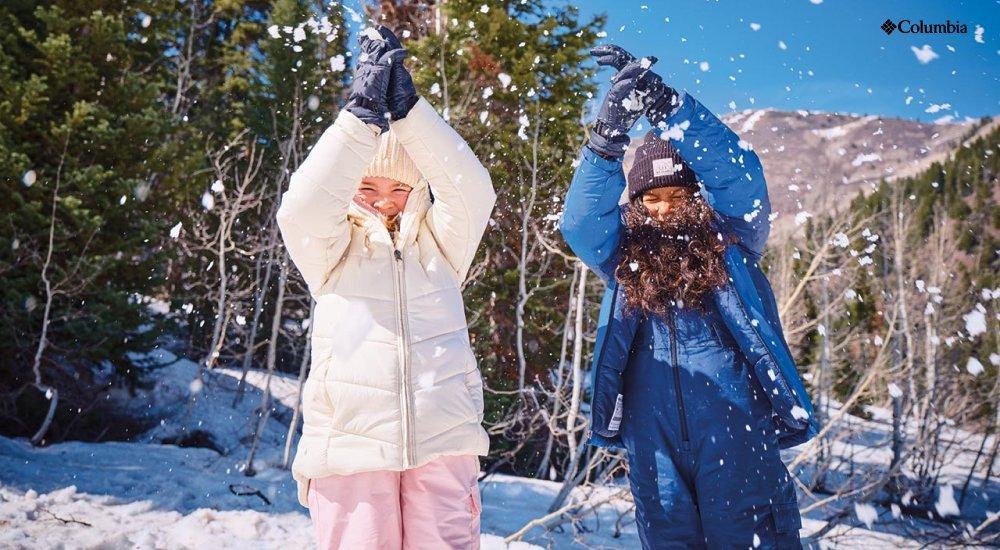
Winter offers a world of outdoor fun, but for parents, it can be tricky to keep children warm and comfortable. The key isn't about piling on more clothes, but about dressing your kids in effective layers. Our Experts cover the basics of layering and finding the right gear, ensuring your child stays warm, dry, and ready for winter adventures.
Dress Them in Layers
Layering allows you to adapt clothing as conditions change and adjust warmth as your child moves and plays. Layers also help manage moisture, preventing sweat from making your child chilly. Dress your child in three following layers:
1. Base Layer
The base layer wicks sweat away from the skin, which is crucial, as moisture can cause the body to cool down quickly. Choose synthetic fabrics or merino wool and avoid cotton, which holds moisture. This layer should fit close to the body without restricting movement. Good options include thermal tops or long underwear.
Expert Advice | How to Choose a Base Layer
2. Mid Layer
The mid layer keeps in warmth, or insulates. Fleece, down, or synthetic insulated jackets work well—use lighter or thicker layers according to the weather and your child’s activity level. Try fleece jackets or wool sweaters for this layer.
3. Outer Layer
The outer layer, or shell, protects against wind, snow, and rain. Look for waterproof, windproof, and breathable fabrics, ideally with features like hoods or adjustable cuffs. Some styles, like 3-in-1 jackets, feature both a fleece or insulated mid layer with a weatherproof outer shell. Use a quality winter jacket and snow pants, or a snowsuit for younger kids or harsher conditions. Snow pants are essential for activities in cold, wet, or snowy weather.
Expert Advice | How to Choose Kids' Winter Coats | Best Winter Coats for Kids
Protect Their Extremities
While the body’s core is important, extremities like the head, neck, hands, and feet are especially prone to heat loss and need extra attention during cold weather.
Head & Neck
-
Hat: Choose a wool or fleece hat that covers the ears.
-
Neck gaiter or scarf: Help shield against wind and snow—a gaiter or balaclava works well for active play.
Hands
-
Mittens: Mittens are warmer than gloves for especially cold conditions. Look for waterproof options if you live in a wet or snowy climate.
-
Gloves: For older kids needing more finger mobility, gloves are a great option. Lightweight fleece options are great for transitional seasons or milder climates, while an insulated waterproof pair is better for harsher winters.
Feet
-
Socks: Use wool or synthetic blends, not cotton. Pack a spare pair if your child may get wet.
-
Boots: Waterproof and insulated boots are vital for warmth and traction.
Additional Tips for Dressing Kids in Winter
Beyond layering, our Experts offer a few more tips to make sure your kids are ready for cold-weather fun:
-
Check the forecast: Adjust layers to match temperature and precipitation.
-
Consider activity levels: Activities like ice skating and sledding will keep kids warmer than on less active days, meaning they may need to shed a layer or two.
-
Watch for cold stress: Bring kids inside if you notice shivering, numbness, or pale skin. These signs can soon lead to hypothermia or frostbite.
-
Pack extras: Bring spare socks and mittens for long, wet or snowy outings. Wearing a wet pair does more harm than good.
Smart layering with the proper clothing makes all the difference in keeping kids warm and ready for winter fun. For more questions or advice on gearing up for winter adventures, visit your local SCHEELS to speak with our Clothing Experts.