



Get Ready for the Hunt: Essential Elk Hunting Gear
Hunting elk is physically demanding and requires a lot of gear. As you’re preparing for your upcoming hunt, it’s essential to make sure you have all the necessary gear. To help narrow down what you should bring, our Archery Expert, Alex Fisher, shares all the elk hunting gear he packs when heading out on an eight-day elk hunt in Colorado.
What to Pack in Your Binocular Harness
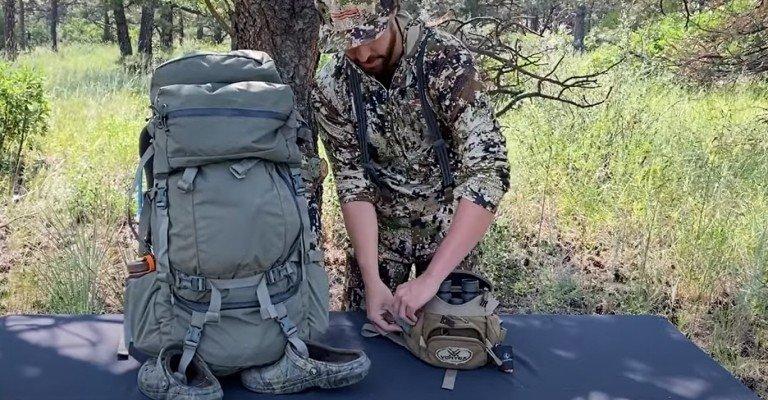
A binocular harness is a perfect place to store the small elk hunting essentials that you need to grab quickly. These items include:
-
Diaphragms for calling in the elk
-
Lens cleaners to keep your optics clear from debris
Our Expert advice: How to Choose Binoculars | Best Binoculars of the Year
What to Wear Elk Hunting
When you’re looking at what to wear for elk hunting, keep in mind layers are necessary. You’ll encounter a variety of different temperatures throughout the day and night, especially in the mountains. Plus, you’ll want a pair of hunting boots that are broken in, comfortable, and designed to handle technical terrain.
More from the Experts: How to Layer for Hunting | Best Base Layers For Hunting | Best Hunting Boots of the Year
This is what Alex prefers to wear:
What to Pack in Your Hunting Pack
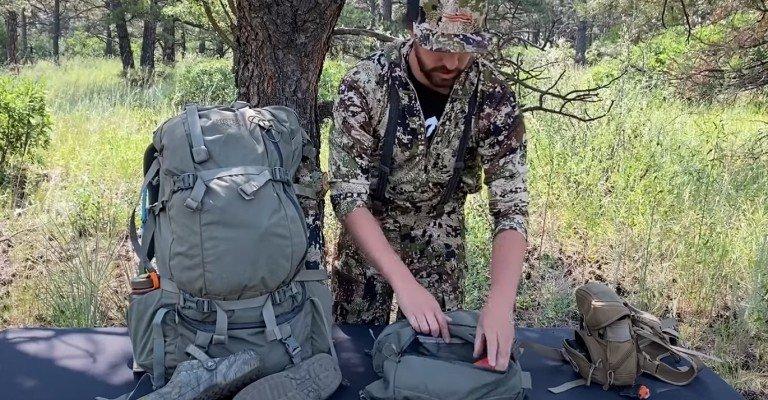
The majority of your elk hunting gear will be carried in a hunting pack. Many hunters turn to trusted brands like MYSTERY RANCH. If you’re going on a multi-day elk hunt, you’ll want to look for a hunting pack that features plenty of support and space similar to the MYSTERY RANCH Beartooth 80. Here’s what Alex has in his pack on an elk hunt:
Exterior Pockets, Detachable Hood & Attachment Points
-
Camp Shoes: Crocs are a great choice because they are lightweight and durable. You’ll want to get out of your hunting boots after a long day.
-
Bugle Tube: This is used frequently to call elk so be sure to stuff it in a side pocket for easy access.
-
Water Bottle: Using a Nalgene water bottle is great because it has markings for measuring the amount of water to use when making your dehydrated meals.
-
Mid-Day Snacks: You need lots of energy when on the hunt, so packing some nutrition bars and energy chews is a must.
-
Camping Gear: You’ll want to pack a camping stove and fuel so you can make meals for lunch and dinner.
-
Field Dressing Kit: Alex likes to include the following items: Field gloves, a Randy Newberg Gerber knife, a Benchmade knife, face paint, body glide, knife sharpener, and headlamp.
Main Pack Compartment
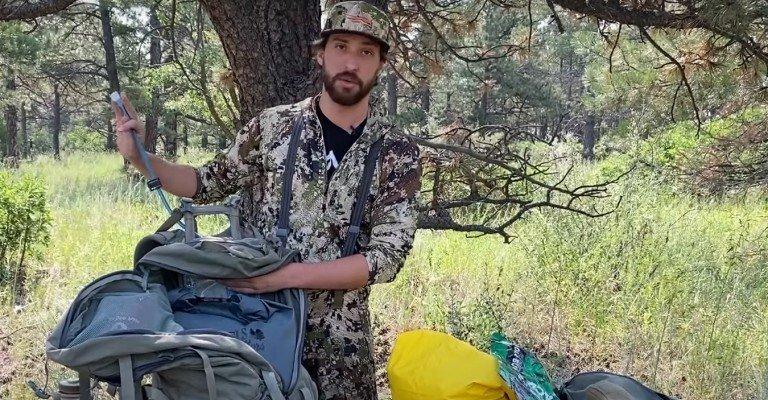
The gear that you store in your main compartment will be what you use at camp or don’t need easy access to when on the hunt.
-
Dehydrated Meals: Alex uses a large food bag to keep the dehydrated food contained. Dehydrated meals offer plenty of nutrition to sustain your energy, are lightweight, and taste great. For an eight-day hunt, he usually brings 14 meals.
-
2 Bladders for Water: You need to stay hydrated as well as have plenty of fresh water for preparing your meals. It’s a good idea to have two water bladders, a two-liter option and a three-liter one.
-
Large Dry Bag: This will hold your sleeping gear as well as additional clothing. It’s good to put these items in a dry bag in case you encounter rainy weather. Here’s what Alex packs in his dry bag:
-
3 pairs of socks and underwear
-
A pair of shorts for sleeping
-
Compact sleeping bag
-
Sleeping pad
-
Toiletries kit
-
Blow up pillow
-
-
Tent: A backpacking tent is an important way to stay protected from bugs and the elements when sleeping.
-
First Aid Kit: Staying safe is a top priority, so be sure to pack a comprehensive first aid kit to take care of any injuries you may experience.
-
Solar Camp Light: You’ll want to have a light at your camp, and a solar-powered option is a great choice.
-
Battery Pack/Cell Phone Charger: You might be using your phone to run OnXMaps and need to make sure you’re able to keep your phone charged.
-
Trash Bag: Don’t forget you have to take all your trash from dehydrated meals back with you!
-
Game Bags: For a successful hunt, you’ll need specialized anti-microbial bags to load your game out
-
Paracord: Paracord has a variety of uses and its important to have some in case of emergencies
Elk Hunting Gear List
Use this checklist to get prepared for the hunt!
✔ Bow or firearm and accessories
✔ Binocular harness
✔ Pair of binoculars
✔ Rangefinder
✔ Diaphragms
✔ Lens cleaners
✔ Hunting tops: Base layer, mid-layer, and outer layer
✔ Hunting bottoms: Base layer, mid-layer, and outer layer
✔ Hunting boots
✔ Camp shoes
✔ Underwear (multiple pairs)
✔ Socks (multiple pairs)
✔ Shorts for sleeping
✔ Hunting pack
✔ Bugle tube and diaphragm calls
✔ Water bottle
✔ Mid-day snacks
✔ Camping stove, fuel, and utensils
✔ Field dressing kit: Field gloves, hunting knives, and knife sharpener
✔ Face paint
✔ Body glide
✔ Headlamp
✔ Dehydrated meals (2 per day)
✔ Bladder for freshwater
✔ Large dry bag
✔ Sleeping bag
✔ Sleeping pad
✔ Blow up pillow
✔ Backpacking tent
✔ Toiletries kit: Toothbrush, toothpaste, toilet paper
✔ Complete first aid kit
✔ Solar camp light
✔ Battery pack
✔ Trash bag
✔ Game bags
✔ Paracord
From hunting gear like binoculars, a rangefinder, and calls to camp necessities like food, sleeping gear, and a first aid kit, this elk hunting gear list will have you well-prepared for your next Western hunt. If you have additional questions about what you need for elk hunting or need help selecting the right products, contact your local SCHEELS to speak with an Expert!
About our Experts
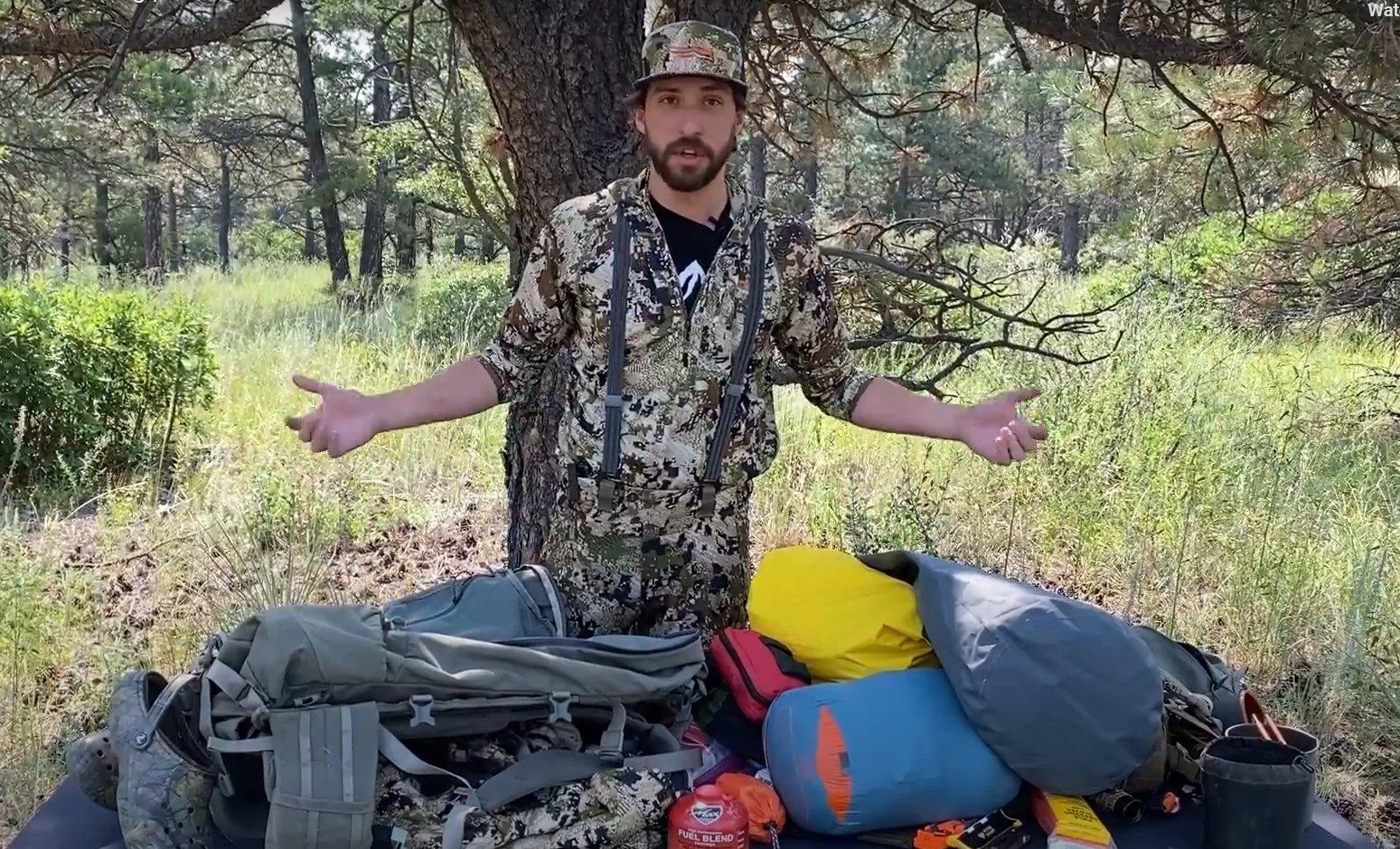
Alex is an Assistant Store Leader in Colorado Springs and has been with SCHEELS for over 8 years. He enjoys Western Big Game hunting in Colorado, which gives him the opportunity to share his knowledge and passion with customers in-store.