


Understanding the Parts of a Fishing Rod
Fishing rods are made of several components all working together to cast, reel, and land your catch. For beginner anglers, learning the parts of a fishing rod and their functions is key to choosing the right rod and improving their technique throughout the season. Whether you're gearing up for your first fishing trip or looking to deepen your knowledge, our Fishing Experts highlight all the basics you need to know about fishing rods.
What is a Fishing Rod?
A fishing rod is considered everything from the tip to the handle, and it is used to cast your line and retrieve your catch. There are several different types of fishing rods including spinning, baitcasting, ice, and more, but every rod offers the same basic features and functions for success on the water.
Parts of a Fishing Rod
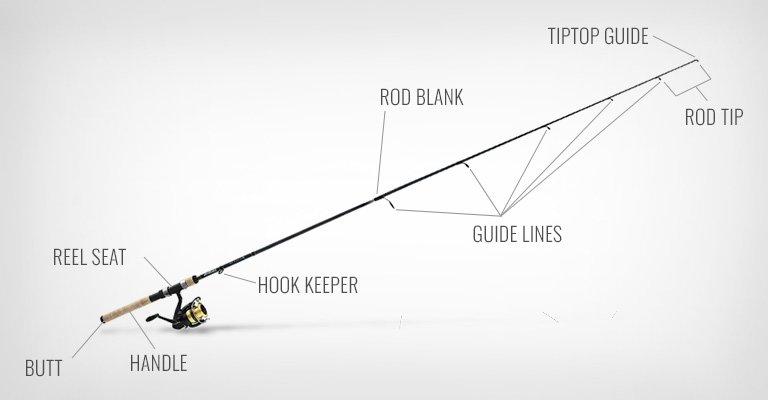
Our Fishing Experts highlight the basic parts of a fishing rod below and explain the function of each part.
Rod Blank
The rod blank, also known as the shaft, is the long main part of the rod that contains the guides and rod tip. The two primary materials rod blanks are made from—fiberglass and graphite, which determine the strength, sensitivity, and flexibility.
-
Fiberglass: Known for durability and affordability, this material is ideal for beginners or anglers targeting larger fish.
-
Graphite: Lightweight and highly sensitive, this material can detect subtle bites better.
The type of material you choose depends on your fishing style, budget, and target species. For more guidance, check out our guide on choosing rod blank material.
Line Guides & Tip-Top Guide
These are the small rings attached to the rod blank. They keep the fishing line in position from reel to the tip, providing a smooth casting experience and fewer tangles. The number of line guides varies based on the length of the rod to evenly distribute the line and stress. Most line guides are made from stainless steel for corrosion resistance and durability.
Expert Tip | One key difference between baitcasting and spinning rods is the position of the guides. On baitcasting rods, the guides are face up to match the reel's placement, ensuring smooth line flow during casting. In contrast, the spinning rod guides face down to align with the downward-facing spinning reel.
Rod Tip
The rod tip is the uppermost portion of the rod and is the most flexible. It plays an important role in casting, sensitivity, and detecting bites.
Reel Seat
Located near the handle, the reel seat secures the fishing reel to the rod. There are different reel seats for the various types of reels, such as spinning or baitcasting models.
Handle (Grip)
This is located at the base of the rod and provides a comfortable way to hold the rod. Handles are made from materials like cork or EVA foam. Selecting the right handle material depends on personal preference and the type of fishing you plan to do. Ergonomic designs can help reduce fatigue.
Hook Keeper
This is located near the reel seat or handle and allows you to secure your hook when the line isn't in use.
Butt
This is the very end of the rod and is usually designed to offer balance and leverage when reeling in fish.
Furrules
Only found on multi-piece rods, these are connection points where the rod pieces join together to maintain strength and flexibility.
Understanding the parts of a fishing rod is a fundamental step toward becoming a more confident angler and making sure you're investing in the best fishing equipment. Each component plays a role in the overall performance, from casting accuracy to reeling in your catch. For personalized advice, stop into your local SCHEELS and connect with our Fishing Experts!