



Thermal Optics Buying Guide
Whether you’re hunting coyotes, scouting hogs in open country, or observing wildlife at night, thermal optics can change your experience. With so many models, features, and technologies available, knowing what to look for in a thermal optic is key. Our Optics Experts break down everything you need to know about thermal rifle scopes and optics so you can choose the right one for your hunt.
What Are Thermal Optics?
Thermal optics detect heat signatures instead of relying on visible light. This allows you to see animals, objects, and terrain even in complete darkness or challenging weather conditions. There are three common types of thermal optics to choose from:
-
Thermal Rifle Scopes: Mounted directly on your firearm for hunting or tactical use.
-
Thermal Monoculars: Handheld devices for spotting and observing wildlife.
-
Thermal Binoculars: Feature dual eyepieces for improved depth perception and a wider field of view
Most hunters invest in a thermal rifle scope because it combines spotting and shooting into a single, streamlined setup.
Related Thermal Optics Expert Content
Key Features to Consider When Buying a Thermal Scope
When investing in a thermal optic, the most popular choice is a scope. Before choosing a thermal scope, it’s important to understand the features that affect performance, usability, and value. Knowing what matters most to your hunting style—and staying within your budget—will help you make the right choice. Our Experts highlight the top six features hunters consider.
1. Display Resolution
Resolution refers to the number of pixels on your thermal display. Higher resolution provides sharper, more detailed images.
Common Resolution Options:
-
384 × 288: Great for close- to mid-range hunting, dense timber, or areas where extreme detail isn’t critical.
-
640 × 480: Provides sharper detail and improved long-range performance—ideal for open-country hunting or spotting distant targets.
-
1024 x 768: Premium resolution for professional-level clarity, allowing you to detect small heat signatures at very long distances.
Expert Tip | Higher resolution improves target identification and makes it easier to distinguish animals from the background.
2. Digital Magnification
Unlike traditional scopes, thermal scopes use digital magnification, which enlarges the image electronically. This is important because every time you zoom in, your resolution will be cut in half. For example, a 640-resolution scope drops to 320 when zoomed in once.
Expert Tip | Low magnification works well in timber, while higher magnification is ideal for open fields.
3. Built-In Rangefinder (LRF)
Some thermal scopes include an integrated Laser Rangefinder (LRF) to measure the distance to your target. Using a thermal scope with an LRF offers several key advantages:
-
Accurate distance measurement: Especially useful at night or in low-visibility conditions where judging range by eye is difficult.
-
Faster target acquisition: Quickly determine how far your target is without manual measurement, saving time during a hunt.
-
Versatility in terrain: LRF is useful in open fields, hillsides, or unfamiliar areas where depth perception can be challenging.
4. Objective Lens Size
The objective lens diameter determines how much light your scope can gather, directly affecting image brightness, clarity, and detection range—especially in low-light conditions.
-
35—38mm lenses: Offer a wider field of view and faster target acquisition, making them ideal for scanning large areas or close- to mid-range hunting.
-
50mm lenses: Capture more light and support higher magnification, providing superior image detail and extended detection range—perfect for open-country or long-range shooting.
5. Recording & Connectivity
Some thermal scopes include video recording and Wi-Fi connectivity so you can capture footage directly from your scope and easily share or review it later. This feature is great for documenting your hunts, reviewing shot placement, or sharing your experience with others.
6. Battery Life & Power Options
Battery life can make or break your hunt. Most thermal optics use removable batteries that typically offer 6–8 hours of runtime. For extended hunts or hunting in colder conditions, it’s smart to carry an extra battery or use a portable power pack.
How to Choose the Right Thermal Optic for You
When choosing the right thermal optic for your hunt, understanding the different types of optics available as well as the features is the starting point. Our Experts recommend considering the following to help you prioritize which features are needed for your hunt and skill level.
-
Hunting Environment: Where will you be hunting the most (timber vs. open country)? This influences the display resolution, digital magnification, and if a built-in rangefinder is important.
-
Target Species: The type of animal you’re hunting affects which thermal features are most useful. Smaller animals like raccoons or bobcats may require higher resolution or a closer scanning range to identify details, while larger or more distant animals like hogs or coyotes might benefit from higher magnification and longer detection range. Understanding your typical target helps you choose the right combination of resolution, magnification, and lens size for more effective spotting and accurate shooting.
-
Budget: Keeping in mind your budget is important. Adding features like video recording and built-in rangefinder as well as choosing the higher display resolution will increase the price. Sometimes these additional features are not necessary if you're just starting to use thermal optics or are hunting in dense areas.
-
Local Restrictions: Each state has different regulations, so it's important to know if thermal optics are legal in your area and follow the guidelines. Our Optics Experts are trained in understanding the laws and regulations for specific areas, so if you have any questions, stop into your local SCHEELS.
Frequently Asked Questions about Thermal Optics
When working with customers, Conrad answers a wide variety of questions to help them narrow down their choice. Here are a few of the most commonly asked questions.
Whether you're just starting to use thermal optics or need an upgrade, SCHEELS carries a wide selection including Pulsar, ATN, AGM, and more. Keeping in mind these key features and what's a priority for your hunt will help you narrow down the options so you find the best thermal optics for your hunt. If you have additional questions, stop into your local SCHEELS to speak with an Optics Expert.
About our Experts
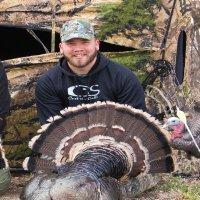
Conrad has been hunting ever since he was old enough to walk. No matter if it's deer, turkey, waterfowl, predators, or anything in between, Conrad's expertise and passion for hunting is year round. With over 20 years of experience in the field, he knows what gear you need to be successful outdoors, no matter what your pursuit is.