



How to Choose a Volleyball
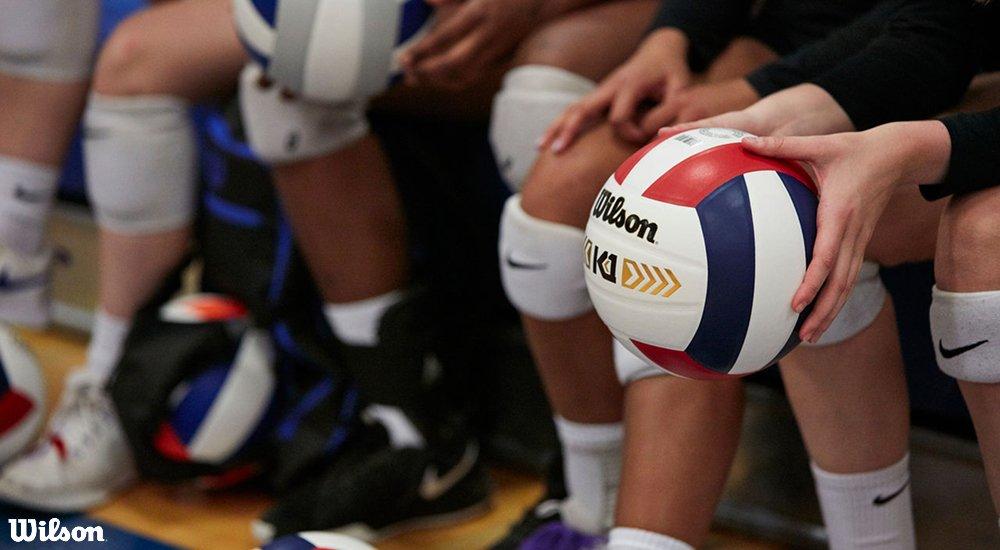
Whether you’re a new player or compete year-round, choosing the right volleyball can significantly impact your performance. With various types and materials, it can be difficult to understand which one is right for you. To help you choose, our Volleyball Experts explain the different kinds of balls and how to pick the right one.
Types of Volleyball & Volleyballs
The first step to deciding on your volleyball depends on what type of volleyball game you'll be playing. While there are different ways it's played, the most popular two styles are indoor and beach.
Indoor Volleyball
The Game
The most common type of volleyball that players will start with is indoor. Indoor volleyball is played with 6 players on each side of the court, with a volleyball net dividing the middle. This style of game is known for quick movements, powerful plays, and controlled skills.
The Ball
Typically made out of synthetic leather or composite materials, indoor volleyballs are designed for consistency. They will have a lighter color and softer feeling for precise control and powerful hits, and are optimized for fast-paced, indoor play.
Beach Volleyball
The Game
Beach volleyball is an exciting version played on sand with two players on each side of the net. The courts are smaller than indoor courts, which, along with the challenging elements like the sun, wind, and sand, makes the game less about power and more about quick reflexes, intentional placement, and skill in each position.
The Ball
Beach volleyballs are often larger and lighter than an indoor volleyball, making them harder to control and easily affected by wind. These volleyballs come in brighter colors and patterns so they can be spotted in the outdoor environment.
Training Volleyballs
The last type of volleyball are training volleyballs, essential for players looking to hone specific skills. These are designed to help you improve your technique and build strength. Whether you need a weighted ball for setting or a lighter ball to practice proper form, training volleyballs are a great way to accelerate your progress and build confidence.
Volleyball Materials
Volleyballs are made out of various materials, which influence your playing experience as well.
Foam: Most common for beginners, foam is used in soft-touch balls to provide a very low-impact feel and reduce sting on arms.
Synthetic Leather/Composite: Typically found in intermediate-level volleyballs. This material feels harder but offers more durability and power.
Microfiber: Engineered for advanced players, microfiber volleyballs have enhanced grip and moisture-wicking properties that keep them from getting slippery during games.
Choosing the Right Size Volleyball
Selecting the right ball based on age and league is crucial for developing proper technique and preventing injuries.
8 & Under: Young players who are just starting typically use oversized, lightweight volleyballs. The goal is to focus on hand-eye coordination and understanding the basics without using a ball that may be too heavy for them.
8 - 12: As players develop better coordination, they can progress to an official-sized lightweight volleyball to improve their skills. The lighter ball is used to develop confidence and strength before transitioning.
13 & Up: From high school to adult leagues, these players will use the full official size and weight volleyball. The foundational skills and concepts should be set, and players should now be able to handle the heavier ball.
To help you choose the best volleyball, use the quick reference chart below.
| Age Range | Ball Type | Ball Size | Ball Weight | Material | What to Expect |
|---|---|---|---|---|---|
8 and under | Youth / Lightweight | 30 in. | 8 oz. | Foam, PVC, or soft composite | Larger volleyball and very lightweight. Designed to be gentle during contact and improve hand-eye coordination. |
8-12 Years Old | Youth Lightweight | 5 | 7.5 - 8.5 oz. | Microfiber or foam-backed composite | Helps transition players to a full-size ball while still being gentle on their arms and wrists. |
13 & Up | Official Regulation (Indoor) | 5 | 9.2 - 9.9 oz. | Synthetic leather or microfiber composite | Designed for competitive play with a consistent bounce and durability for every player. |
13 & Up | Official Regulation (Outdoor) | 5 | 9.2 - 9.9 oz. | Water-resistant composite | Softer with lower air pressure than an indoor ball. Designed to withstand outdoor elements and float more in the air. |
Whether you’re making your first serve in the gym or are digging a ball on the sand, finding the right volleyball for your playing style will make a difference in your performance. If you have additional volleyball questions, visit your local SCHEELS to speak with an Expert.