



How to Choose a Yoga Mat
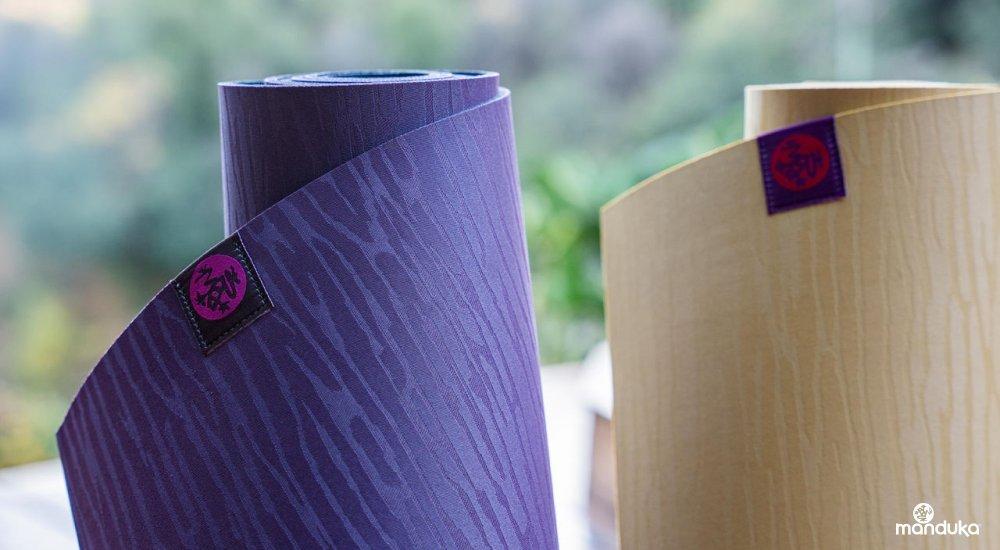
Whether you’re just starting to practice yoga or are looking to upgrade, using the right yoga mat during your practice will keep you focused and comfortable. The purpose of a yoga mat is to offer stability by preventing your feet and hands from slipping on the floor as well as offer added cushioning for comfort throughout your practice. Since most yoga mats can be used for a variety of different styles of yoga practice, choosing a yoga mat comes down to personal preference. However, there are three main features to consider when choosing a yoga mat—thickness, material, and texture.
1. Choose the Ideal Mat Thickness
When looking at the thickness of a yoga mat, think about the style of yoga you’ll be practicing most often. If you’re not sure your favorite style of yoga, a standard yoga mat is the best yoga mat for beginners. A standard yoga mat is roughly 1/8-inch (3.175 mm) thick and is versatile enough to use for a variety of different types of yoga classes.
If you enjoy a yoga class focused around balance poses or one with lots of movement, a thin yoga mat may be best. Thin yoga mats allow you to feel grounded to the floor and are usually around 1/16-inch (1.588 mm) thick. However, a thin yoga mat doesn’t offer much cushioning between you and the floor.
If you enjoy yoga classes focused around mediation and restorative poses, you’ll want to get a thick yoga mat that’s about 1/4-inch (6.35 mm) thick. The downside of using a thick yoga mat is that it’s much more difficult to practice balance poses should you decide to try a yoga class with more movement.
2. Consider Material & Structure
There are three popular types of materials yoga mats are made from—PVC, natural rubber, and TPE. Each yoga mat material has benefits and drawbacks that are important to know about so you can find the best yoga mat for you.
PVC
-
Usually thicker and more durable than other yoga mats
-
Once broken in, they offer great traction for high movement classes
-
Man-made material that isn’t biodegradable making it less environmentally friendly
Natural Rubber
-
Environmentally conscious
-
Provide a moderate amount of traction
-
Wear out more quickly compared to other materials
Thermoplastic Elastomer (TPE)
-
Grippy
-
Biodegradable
-
Lightweight and soft
-
Can withstand some wear and tear
Open-Cell vs. Closed-Cell Mats
When evaluating materials, it's also helpful to understand the cell structure of the mat, as this impacts both grip and mat care.
-
Open-Cell Mats: These mats have tiny, porous air pockets—like a sponge—that are designed to absorb moisture and sweat. This absorption provides superior grip and traction, especially in heated or intense classes. The main drawback is that they hold onto sweat and moisture, making them harder to clean and slower to dry, potentially harboring bacteria if not properly maintained.
-
Closed-Cell Mats: These mats have sealed, non-porous air pockets, meaning they repel moisture and sweat. They are significantly easier to wipe down and disinfect, and they dry quickly. However, they may feel slicker than an open-cell mat when you start sweating heavily, though they often include a textured surface to compensate.
3. Look for the Right Texture
When choosing a yoga mat, the last feature to consider is texture. You’ll notice either a smooth finish or a pattern of raised bumps. Texture is partly based on the type of material the yoga mat is made from.
Most people, including those new to yoga, will want to look for a yoga mat with small bumps to enhance grip and prevent sliding around.
If you’re someone who will be bothered by texture while trying to meditate or relax, it’s best to look for a yoga mat that is completely smooth.
Yoga Mat Storage
After finishing your yoga practice, make sure to disinfect the mat with antibacterial spray, wipe clean, and dry. For storage, it’s best to roll your yoga mat and secure it with mat straps or place it in a yoga bag. To extend the life of your yoga mat, store it in a cool, dry place away from direct sunlight.
Expert Advice | How to Clean a Yoga Mat
Consider a Yoga Towel
If you’re new to yoga, you may see people using a yoga towel throughout their practice, especially if you’re taking a hot yoga class. Using a yoga towel is completely optional, but some people like to use one to help absorb sweat to reduce slipping during practice. A yoga mat towel is specifically designed to be the same length as your yoga mat and features a non-slip backing to prevent bunching.
With a yoga mat that fits your preferences, you’ll be ready for the next practice! For more information about yoga basics, how to choose yoga clothing, or other essential gear, read our other articles or reach out to your local SCHEELS to speak with an Expert.