



How to Layer for Cold Weather
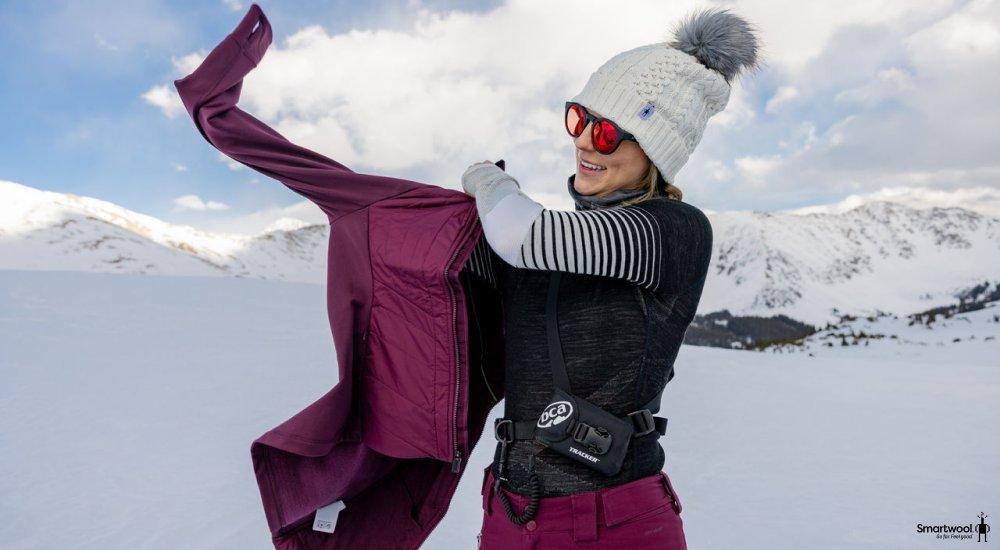
No matter your climate, cold weather can hit at any time. If you get caught in it, your instinct is probably to grab for all the layers in sight. This might work in a pinch, but there is method to the madness when it comes to layering. In fact, layering properly and planning ahead are key to keeping yourself safe, comfortable, and warm in extreme weather.
The goal of layering is simple: to create a system that traps heat while allowing moisture to escape, helping you maintain a comfortable body temperature. This system is designed to achieve the crucial three W’s: Wicking, Warmth, and Weather protection.
Our Experts break down everything you need to know about the three steps of layering for cold weather.
1. Start With a Base Layer
f you live in a colder climate, you may be familiar with base layers, but it’s not as simple as throwing on a t-shirt under your clothing. Your cold-weather base layer serves as the foundation of your outfit, achieving the wicking and initial warmth functions of the system.
Choosing the right fit and fabric will help your base layer hit all its marks. Upper-body base layers and long underwear should provide a next-to-skin fit to prevent bunching and leave you completely free to move. The tight fit will also help keep sweat away from your skin.
A smooth, stretchy fabric made with moisture-wicking materials is necessary for keeping your skin dry. Wet skin has a high level of thermal conductivity which brings your body temperature down to that of the surrounding air. Because of this, you should avoid cotton and instead choose materials like:
-
Merino Wool
-
Synthetic Fabric (Polyester)
-
Silk
Expert Advice | How to Choose a Base Layer
2. Add a Mid-Layer
A mid-layer goes between your next-to-skin base layer and your waterproof outer layer to provide the main source of insulation and warmth in your layering system. In extremely cold climates, many people even choose to wear multiple mid-layers to trap in the maximum amount of body heat.
Mid-layers are typically made from materials and insulators like:
-
Fleece: Provides warmth without excessive bulk.
-
Synthetic Insulators (Polyester): Offer excellent thermal retention while remaining lightweight and moisture-resistant.
-
Down: Delivers outstanding insulation for extremely cold conditions.
Fleece jackets and pullovers are popular options as you can typically find them at varying weights and thickness. Packable puffer jackets are also popular for easy travel and storage. When choosing, it’s essential to find a balance between insulation and breathability to prevent overheating.
Expert Tip: If you’re traveling or spending time outside in variable weather, always carry a packable down or synthetic jacket in your bag in case the weather takes a turn. It’s the easiest layer to add to your system without adding weight to your pack.
3. Top It off With an Outer Layer
The role of an outer layer is to serve as the shell and provide the ultimate weather protection against the elements. This layer shields you from wind, rain, and snow—three factors that can make cold climates even more dangerous.
When choosing your outer layer, you’ll have to decide if you want a waterproof shell or a water-resistant shell.
-
Waterproof shells can handle the worst weather conditions and keep you completely dry.
-
Water-resistant shells will keep you dry and comfortable in light rain and snow and typically come with a lower price tag.
You’ll also want to look for an outer layer that’s durable and breathable. While you need to trap in body heat to stay warm, not having a breathable winter shell jacket can cause you to sweat, which can actually make you colder. The best outer layer will be made with premium materials like woven nylon or polyester to keep you dry and comfortable while allowing moisture from your body to escape. Look for helpful features like adjustable hoods, cuffs, and hems to seal out the elements.
Expert Tip: In extremely cold environments, choosing a long outer layer (a parka) can add even more protection and warmth by shielding your lower body from wind and cold. And don't forget about accessories like hats, gloves, and scarves—they are a crucial part of sealing your system.
Once you’ve found your ideal layering system, it’s important to remember that you can always take off layers if you get warm, but you can only add layers you have on-hand. If you’re spending extended periods of time outside in the cold, always pack plenty of options to make safety your top priority.
If you’re having trouble finding the right layers for your winter activities, stop by your local SCHEELS and talk to an Expert.