



How to Teach a Kid to Ride a Bike
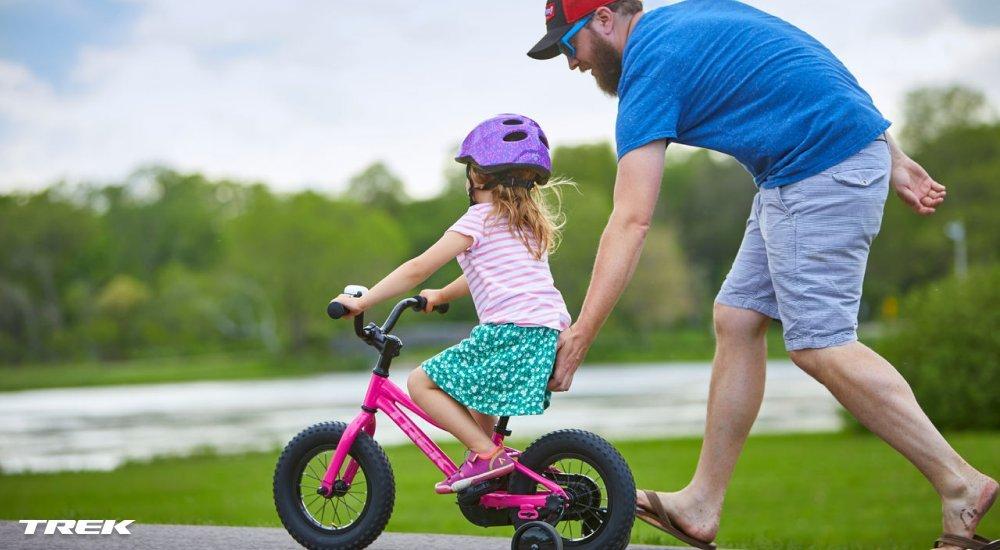
Navigating a bike is a defining moment in a child's life. It represents mastery of balance, a sense of independence, and personal growth. If you're an adult looking to aid a child in this critical learning phase, our Bike Experts are here to help. They share their tips and advice with detailed steps on the best ways how to teach a child to ride a bike.
When Do Kids Learn to Ride a Bike?
Determining the right time to introduce biking to kids can be daunting. It's crucial to remember that the child's coordination, ability to balance, and readiness to learn are what truly matters for this milestone.
We recommend starting children on biking with a balance bike around ages 2-5. This strategy focuses on teaching balance first and foremost, preparing them for an easier transition to a pedal bike later. Once they have mastered the balance bike, usually around ages 4-6, they can shift to a pedal bike. Always make sure that along with their enthusiasm, they also display the necessary maturity to understand and follow safety instructions before you make the switch.
What is a Balance Bike?
A balance bike is a simplified version of a bicycle, specifically designed for kids. Uniquely, it lacks pedals. The purpose of a balance bike is to help children as young as two years old develop core strength, coordination, and balance. Brands like Strider develop these balance bikes which allow a child to stride along using their feet and gradually glide, all while mastering balance without the need for stabilizers or training wheels.
What is a Pedal Bike?
A pedal bike, often referred to as a traditional or regular bike, is the next step after a child has mastered the balance bike. Around the age of 5, many kids are ready to make this transition.
The primary difference between a balance bike and a pedal bike is the addition of pedals. Pedal bikes allow for greater speed and range, offering kids an exciting new level of independence and enjoyment.
If your child has fully grasped balance from their time with the balance bike, transitioning to a pedal bike should go quite smoothly. However, if they're still having trouble balancing, it's perfectly fine to add training wheels to the pedal bike initially. The important part is to encourage their confidence while keeping the experience safe and enjoyable.
Are Training Wheels Supposed to Touch the Ground?
The answer is yes. Training wheels are designed to provide lateral support. When the bike leans to one side, the wheel on that side should touch the ground, adding stability and giving your child the confidence to practice pedaling without feeling like they’re going to fall over.
How to Remove Training Wheels
Progressing from training wheels to a two-wheel bike is a noteworthy step in a child's biking journey. However, it's important to know how to remove training wheels when the time comes. All you need is a wrench or similar tool for adjusting the bolts. With just a few twists and turns, you can easily detach the training wheels, helping your child advance to the next level of biking.
How to Ride a Bike Without Training Wheels
Moving from a bike with training wheels to a two-wheel bike is a huge step for any child. It demands a new level of balance and coordination. Once you have the proper size bike for your child, they're ready to learn to ride without training wheels! To ensure a smooth transition, here are some tips that can help:
-
Step 1: Assess Readiness: Before removing the training wheels, make sure your child can already balance well. The experience with their balance bike should have significantly helped this skill.
-
Step 2: Adjust the Bike: Ensure the pedal bike is the right size. When your child is sitting on the saddle, both feet should comfortably touch the ground.
-
Step 3: Practice Balancing and Gliding: Before introducing pedaling, let your child stride and glide the bike as they did with their balance bike. Once they're comfortable, they can start pedaling while you support the bike.
-
Step 4: Gradual Letting Go: Begin by holding onto the back of the bike while they ride. Once they look comfortable, gradually let go. Stay close by in case they need help.
-
Step 5: Building Confidence: Encourage them to ride in safe, open spaces initially before they navigate sidewalks full of pedestrians or cycling lanes.
Bike Safety Gear
Ensuring your child is safely equipped should always be a top priority when teaching them how to ride a bike. The right gear not only protects them from potential injuries but also boosts their confidence, making learning more comfortable and confident. Here are the essential pieces of safety gear your child should have:
-
Helmet: A well-fitting helmet can protect your child's head from serious injuries. Make sure the helmet fits snugly and sits flat above the eyebrows.
-
Elbow and Knee Pads: As children find their balance, falls are inevitable. Pads cushion their knees and elbows to prevent scrapes and bruises.
-
Gloves: These can protect tiny palms from scrapes during a fall and also provide a better grip on the handlebars.
Teaching a child to ride a bike can be a memorable and rewarding experience for both of you. Remember to stay patient and supportive during their learning process. Every child learns at their own pace, and it's important to create a secure and positive environment for them to learn. So, put these tips into practice, ensure your child is equipped with the right safety gear, and get ready to enjoy the ride! If you have any other questions about bike training, head to your local SCHEELS and speak with a Biking Expert!