



How to Travel with Game Meat
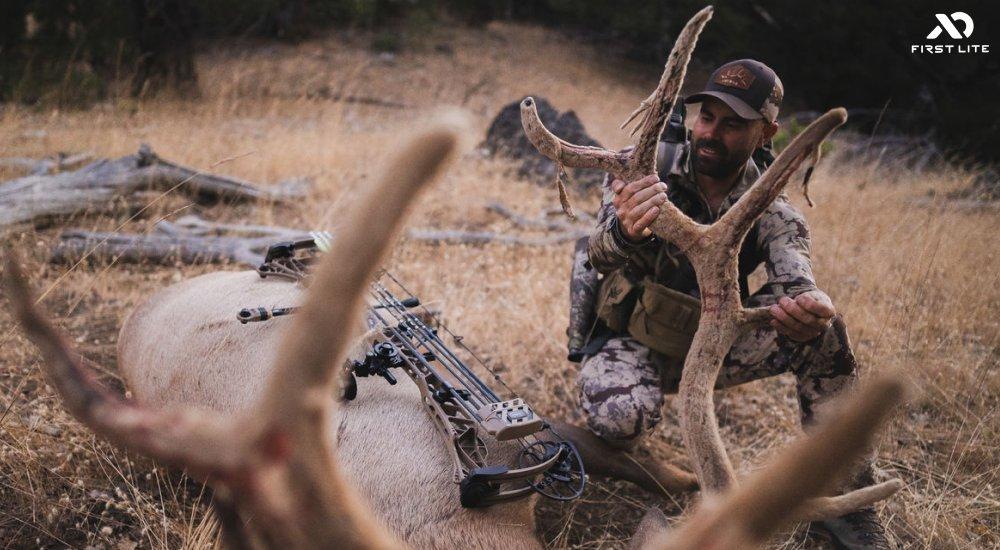
After a successful hunt, the job’s not done until your meat is properly cared for and safely on its way home. Whether you're driving, shipping, or flying, it’s important to plan ahead so your wild game stays fresh and ready for the freezer. Our SCHEELS Hunting Experts break down the pros, cons, and key tips for each travel method—so you can focus on the hunt, not the headaches.
Driving
If you’re driving, you’ve got the most control, and it’s the most budget-friendly option. But it does take up time, so factor that into your hunting plans.
Bring large coolers with plenty of space for your processed meat. Dry ice is the most effective and your best tool for keeping meat frozen during travel. Place it on top of the meat to help freeze everything below, and make sure the cooler is vented for airflow.
Want to keep the meat cold but not frozen? Just flip the setup:
-
Dry ice on the bottom
-
Add a layer of cardboard to buffer the cold
-
Lay your meat on top of the cardboard
Wet ice can work and is usually the most used; however, hunters might avoid it due to it soaking the meat. A better solution: use block ice on the bottom, stack meat above it, and crack the cooler’s drain plug so your game doesn’t sit in water. Wet ice is usually easier to find at gas stations or grocery stores.
If you’re not using dry ice, consider packing a portable freezer and an extension cord. Some people even hook up the chest freezer to their camp’s generator; otherwise, you can plug it in overnight at your hotel or cabin. This is especially useful if you didn’t have time to fully process your meat in the field.
Shipping
If you’re short on time or don’t want to handle meat transport yourself, shipping is a reliable option—just be ready to pay for the convenience.
Look for a reputable local butcher or processor near your hunting location. Many offer full-service processing and shipping. You drop it off, they’ll handle the rest, and your meat shows up at your door.
Expert Tips:
-
Research processors ahead of time to confirm they offer shipping
-
Build in extra time for processing and packaging
-
Expect high costs, especially for overnight shipping or large quantities
Shipping rates can vary, but a single 60-lb. box shipped overnight can cost several hundred dollars. That number climbs quickly if you're headed somewhere remote, but in places like Alaska, some air freight shippers can send an entire animal home for around $200.
Meat should be fully frozen, vacuum sealed, and packed in a cooler with dry ice on top. Don’t forget to leave room for air vents—dry ice needs to breathe.
Flying
Flying with meat is more common than you might think. With the right gear and a little prep, you can get your wild game home safely and without overspending.
The key is planning ahead. Book a stay at a place with freezer access—renting out a home is usually a safe bet, but some motels or processors will help if you ask. Once you’ve processed your meat, cut it into large chunks, vacuum seal or bag it, and freeze it solid.
Gear Checklist:
-
Vacuum sealer and bags
-
Fillet knife
-
Freezer bags
-
Cellophane wrap
-
Freezer packs or YETI ice bricks
-
Soft-sided cooler (backpack-style works great)
-
Contractor-grade garbage bags
-
Duffel bag for any overflow
Check your meat as extra luggage—most airline cargo holds are cool enough to keep frozen meat stable during the flight. Just be sure everything is sealed tight. If there’s any sign of leaking, baggage handlers may throw it out. Some major airline hubs offer cold storage for passengers with long layovers. If you plan ahead, they may be able to hold your meat until your next flight—just be sure to contact them in advance to make arrangements.
When freezer access isn’t available, wrap the meat tightly in cellophane, double bag it, and pack it with freezer packs. While not ideal, this setup can still get the job done if you're working with limited time.
Bringing wild game home is one of the best parts of a successful hunt, but only if you take care of it the right way. Whether you're behind the wheel, working with a shipper, or flying back home, preparation is everything. Think through your travel plan, pack the right gear, and give your meat the care it deserves. If you have more questions, stop by your local SCHEELS and speak with a Hunting Expert.