



How to Use an Ice Fishing Flasher
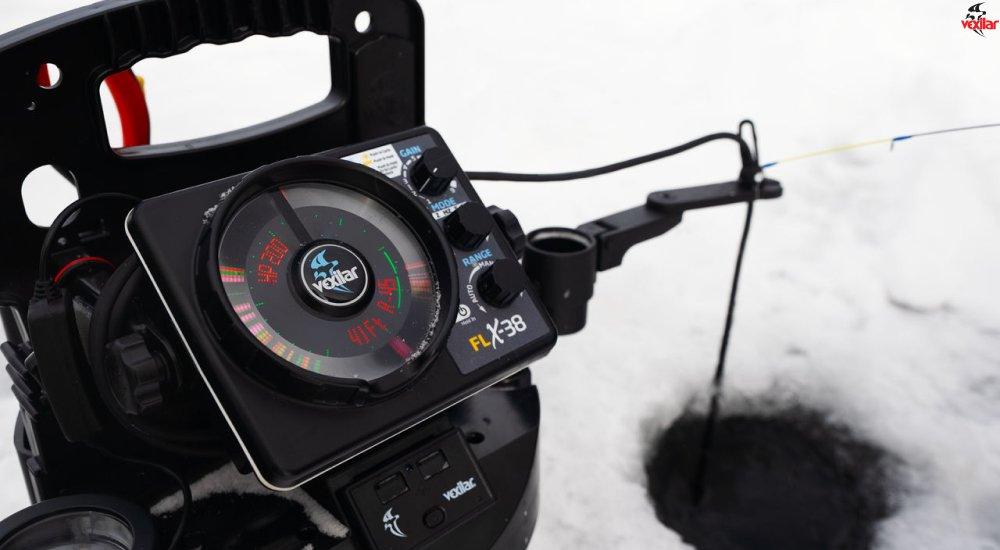
Maximize your ice fishing success this winter by adding an ice fishing flasher to your gear. This essential tool helps you see what’s happening under the ice in real time, making it easier to locate fish and improve your catch rates. Our Ice Fishing Experts share tips on how to set up, read, and get the most out of your flasher for a productive ice fishing trip.
What is an Ice Fishing Flasher?
An ice fishing flasher uses sonar technology to reveal what’s happening beneath the ice. By sending sound waves through the water, the transducer provides critical information about the lake bottom, vegetation, your lure, and fish activity.
Think of it as your eyes below the ice—giving you real-time insights to make better decisions and improve your chances of catching more fish.
Benefits of Using an Ice Fishing Flasher
-
Time and Effort Savings: Quickly survey multiple spots without drilling unnecessary holes.
-
Optimal Hole Planning: Target fish-rich areas using real-time sonar data.
-
Increased Mobility: Move confidently to the best fishing locations.
Understand Ice Fishing Flasher Features
Before heading out on the ice, it’s important to understand the features of an ice fishing flasher and how they will help you find fish.
-
Gain: Adjusts sonar sensitivity to enhance or reduce signal strength.
-
Interference: Eliminates signals from nearby sonar devices for accurate readings.
-
Depth Range: Displays a specific range of depths to focus on shallow or deep water.
-
Zoom: Magnifies a section of the screen to see specific depths or targets more clearly.
-
Cone Angle: Determines the width of the sonar beam, affecting coverage and detail.
How to Read Your Ice Fishing Flasher
When working with customers who are new to ice fishing flasher technology, our Experts walk through these five tips in reading your flasher:
1. Understand what the display shows
The flasher shows a vertical picture of the water column on a circular dial.
-
The 12:00 position represents 0 feet.
-
The first strong red signal indicates the lake bottom.
2. Decode the Colors
Most flashers use color to indicate sonar intensity:
-
Green: Soft returns (small fish or vegetation).
-
Yellow: Medium returns (medium-sized fish).
-
Red: Hard returns (lake bottom or larger fish).
This color system helps you quickly identify fish, plants, or other objects under the ice.
3. Spot Fish and Vegetation
Focus on areas above the red bottom signal:
-
Line Patterns: Varying movement can indicate fish behavior.
-
Position on Screen: Fish, weeds, or your lure will appear between the transducer signal and the bottom.
-
Observation: Use line behavior to detect fish-rich areas or vegetation patches.
4. Monitor Lure Position
Your flasher shows the depth and proximity of your lure to nearby fish.
-
Adjust your presentation in real time based on fish movement.
-
Notice how fish react to your lure to improve your chances of a bite.
5. Interpret Movement
-
Stationary or slow-moving signals: Fish resting or moving slowly.
-
Rapid, erratic signals: Active or aggressive fish pursuing prey.
Understanding these patterns lets you adapt your fishing strategy for optimal results.
Setting Up Your Ice Fishing Flasher
When you are on the ice, setting up your flasher is pretty simple with these steps:
-
Find a level fishing spot on the ice.
-
Turn on your flasher and adjust gain, depth range, and interference.
-
Secure your flasher on a stable surface near your hole.
-
Submerge the transducer fully in the water, pointing down.
-
Start fishing and watch your flasher for fish activity.
By adding an ice fishing flasher to your gear collection, you'll gain valuable real-time information about what's happening below the ice, increasing your chances of a successful catch. If you have any more questions on how to use an ice fishing flasher, head to your local SCHEELS and speak with an Ice Fishing Expert!