



How to Waterproof Boots
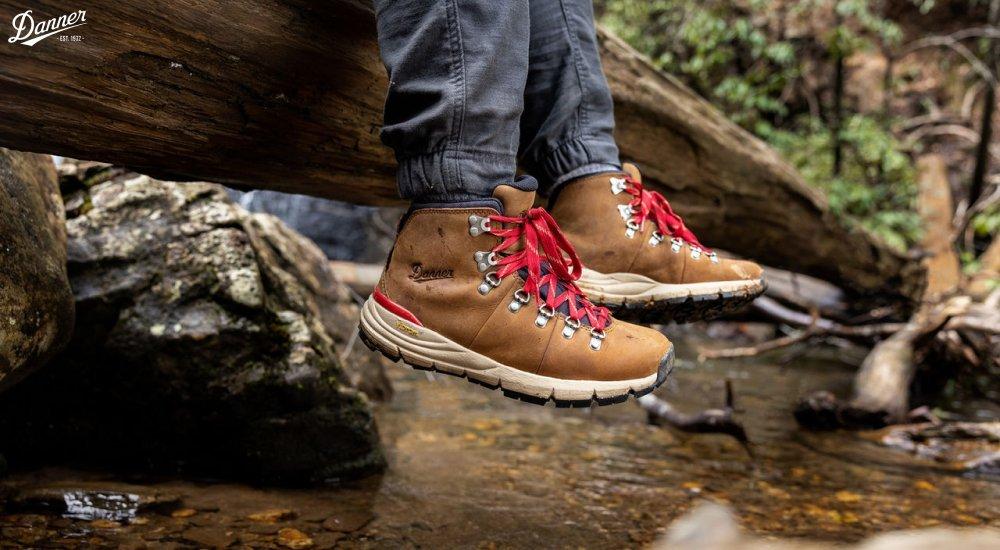
Many leather work boots and hiking boots are pre-treated with a durable water-resistant (DWR) coating to lock out moisture, but this eventually wears off. There's no need to invest in a new pair of boots; a variety of waterproofing products can effectively restore your boots to being water-resistant. Our Experts discuss the different methods and steps involved in this process to prolong the life of your boots and protect them from the elements.
Choose Your Method
There are several types of waterproofing treatments ideal for different materials. You'll want to read product labels to ensure you get the proper treatment for your boots. Common methods include:
-
Waterproofing sprays or creams, which are generally designed for use with nubuck, suede, or fabric.
-
Oils and waxes like beeswax, lanolin, or mink oil, which are typically best for full-grain leather boots.
Wax and oil treatments generally last longer than waterproofing sprays, but are more time-consuming to apply. While sprays and waxes are less likely to change the appearance of your boots, oils often darken leather.
Clean Your Boots
Before waterproofing your boots, you'll want to give them a thorough cleaning:
-
Start by removing the laces (most are machine washable)
-
Use a brush to remove dust and dirt.
-
If there's remaining dirt, you can run your leather boots under water and use a leather cleaner. For suede, use a suede cleaner and avoid using too much water. A damp brush can work well here.
Some waterproofing products require your boots to be fully dry before application, while for others you'll want your leather boots to be damp and fully saturated throughout—check the instructions on your product before moving forward with the waterproofing process.
Our guide on how to care for hunting boots offers more detailed guidance on cleaning, drying, and conditioning leather boots.
Waterproof Your Boots
Once your boots are clean and prepped (whether that's fully dry or damp), follow the application instructions for your product of choice. Note that if your boots have a waterproof membrane like Gore-Tex®, there is no need for waterproofing treatment in those areas. The following are some general guidelines to help you gather supplies:
-
Waxes can be applied with your fingers. Warm it with a hair dryer before applying, and then massage the product in.
-
Oils and creams are best applied with a soft cloth. For oils, be careful not to use too much product to minimize staining.
Waterproofing sprays are quick and simple to use—simply hold the can at least six inches from your boots (check the label for product-specific instructions) and spray. Once dry, you can optionally apply a second coating. You may want to do this over newspaper to prevent making a mess.
To keep your boots in the best condition, you’ll want to reapply your waterproofing treatment of choice any time the protective layer begins to wear off. With waterproofing sprays, this can be as frequent as a few times a year, depending on how often you get your boots wet. You’ll know it’s time for reapplication when water no longer beads on the surface of the boots but rather begins to soak into the material. For product-specific questions or further assistance with choosing the best waterproof treatment for your boots, you can reach out to our Experts at your local SCHEELS.