



Hunting Optics Basics
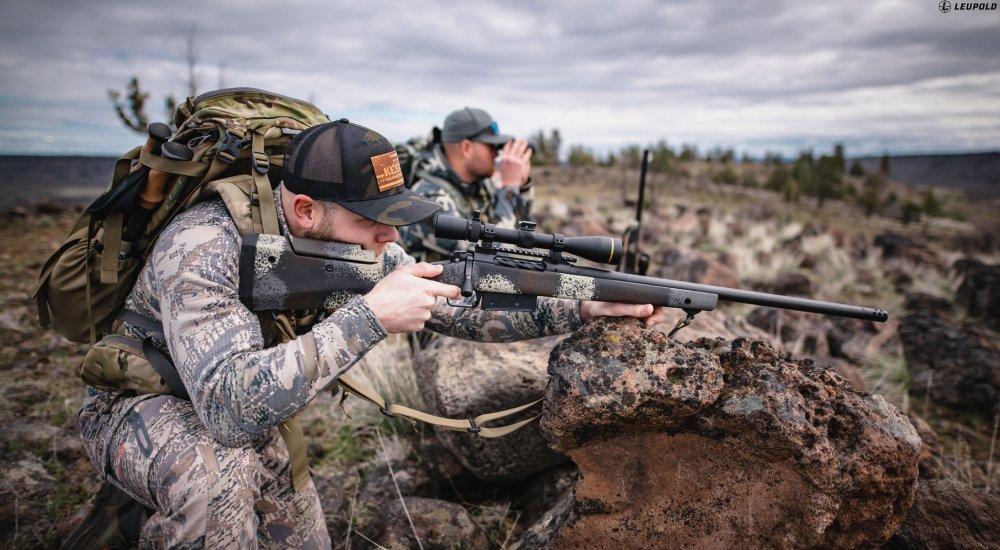
If you're new to hunting, you've heard about the importance of using quality optics to enhance accuracy. However, with the variety of hunting optics available, it can be challenging to know which type to invest in and what to look for to best suit your hunting situation. Our Optics Experts guide you through the variety and offer the basics for each so that you can choose which optics to invest in for your next hunt.
Hunting Scopes
A hunting scope mounts to the top of your firearm so that you can track, spot, and aim at your target while in the shooting position. Rifle-specific scopes and muzzleloader scopes are available depending on your hunt. When choosing a hunting scope, it's important to consider magnification, reticle measurement and placement, lens coatings, and more so that you can find the right type of scope for your application.
Related Expert Content:
Binoculars
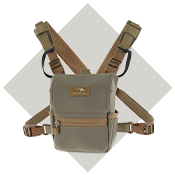
Ideal for scanning wide areas, scouting game, and spotting potential targets from a distance, binoculars are a must-have optic thanks to the wide field of view compared to a scope. When choosing a pair of binoculars, factors like magnification and specialized lens coatings are important.
Related Expert Content:
Hunting Rangefinders
Ideal in open areas or when hunting in the backcountry, a hunting rangefinder provides you with the exact distance to the target so that you can adjust your shot for accuracy. When choosing a rangefinder, consider the maximum distance, magnification, and any weather-resistant features for durability on the hunt.
Related Expert Content:
Spotting Scopes
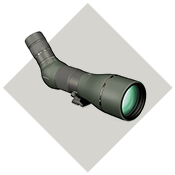
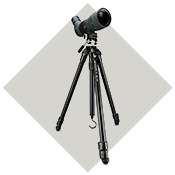
Spotting scopes offer high-powered magnification, allowing hunters to observe game at extreme distances with detail, offering you a clearer view in more detail compared to binoculars. When choosing a spotting scope, consider factors like magnification range, objective lens size, and whether you prefer an angled or straight eyepiece. Many spotting scopes also come with tripod compatibility, helping to stabilize the view for prolonged observation.
Related Expert Content:
Sights
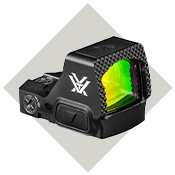
Sights are compact optics that are ideal for close-range hunting or fast-moving targets. With a non-magnified view, they allow hunters to keep both eyes open for a wider field of vision, making it easier to react quickly. Many sights also feature adjustable brightness settings, allowing for optimal visibility in variable lighting conditions.
Related Expert Content:
Monoculars
Monoculars offer a lightweight, compact alternative to binoculars, making them ideal for hunters who want to reduce the gear they carry. Though smaller, they still provide useful magnification for scanning the terrain or spotting game at a distance. When choosing a monocular, consider the magnification and lens size to balance between portability and the level of detail you’ll need in the field.
Thermal Optics
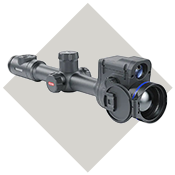
Hunters may choose to invest in a thermal optic whether it be a thermal scope, binocular, or monocular. This type of optic is useful when hunting at night or in thick vegetation because the thermal technology uses infrared to detect heat signatures rather than light.
Related Expert Content:

With the variety of hunting optics available, there’s an option suited to every hunting style, terrain, and target. From the high precision of scopes and rangefinders to the versatility of binoculars and the cutting-edge technology of thermal optics, each optic enhances your hunting experience. If you have additional questions about choosing the right optics, stop into your local SCHEELS to speak with an Optics Expert.