



Hunting Boots vs. Hiking Boots
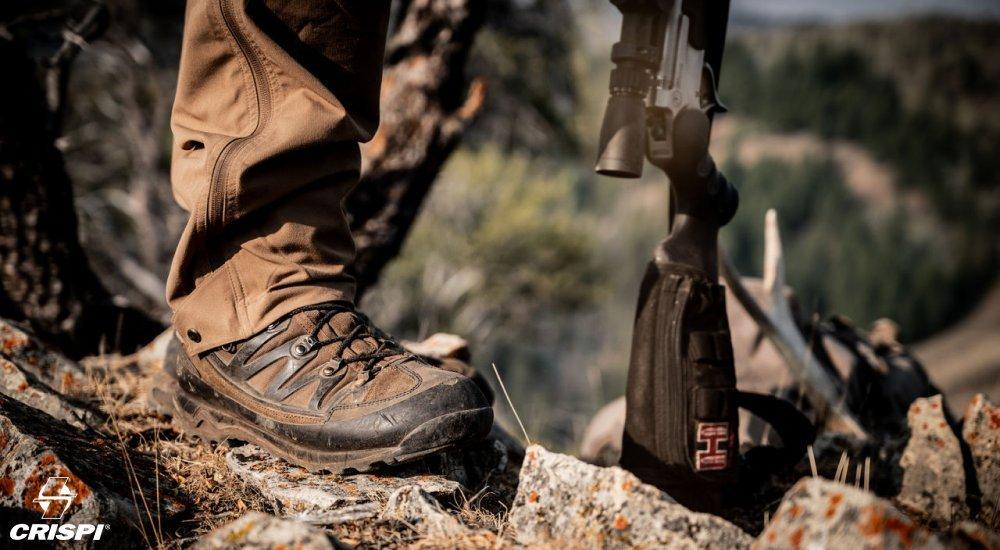
As you prepare to set off on your next big hunt, the right footwear will make a difference. The process of stalking, tracking, and carrying gear through the field means your boots need support and stability. Our Hunting Footwear Experts explain the differences between hunting and hiking boots so you're able to confidently navigate your next pursuit.
At A Glance: Hunting vs. Hiking Boots
While both types of footwear are designed for support and protection, you may find that one is more suitable for your environment and activity level. Consider the following to find the right pair of boots.
Consider Hunting Boots If:
-
More durable
-
Waterproofing is a priority
-
Reliable insulation is necessary
-
Higher ankle support
Consider Hiking Boots If:
-
Lightweight is essential
-
No insulation for breathability
-
Trail-specific lugs for traction
-
Comfort is key
Deep Dive: Hunting Boots
Built for durability, hunting boots are designed to meet the demands of the outdoors. Hunting boots are typically insulated and ideal for late-season hunts, providing the protection, traction, and waterproofing aspects needed for tougher weather conditions.
Best For: Cold weather hunts or carrying heavy loads through uneven terrain.
Pros:
-
Waterproof Membranes: Frequently incorporate waterproof technology for wet or snowy conditions.
-
Reinforced Technology: Reinforced toe-caps enhance protection against potential hazards.
-
Support & Stability: Stiffer midsoles protect the ankle and provide more support and stability.
-
Patterned Outsole: Aggressive lug patterns deliver reliable traction on unstable ground.
-
Various Styles: Hunting boots range in lengths and styles from knee-high to ankle.
Cons:
-
Weight: Hunting boots are heavier due to their waterproofing, insulation, and durability features.
-
Breathability: Heavier materials cause hunting boots to be less breathable, especially in warmer weather.
-
Flexibility: Hunting boots tend to be stiffer and less comfortable, and may require a longer break-in period.
Deep Dive: Hiking Boots
When the weather is warmer, hiking boots are made to withstand rigorous treks. Designed to be lightweight, they offer sturdy ankle support that reduces the risk of injury and may feature a waterproof, breathable membrane.
Best For: Early season hunts in warmer weather and when comfort and agility are key.
Pros:
-
Weight: Lightweight for quicker, more efficient steps.
-
Flexibility: Hiking boots are designed for walking, offering more movement while feeling secure.
-
Breathability: Lighter materials improve breathability, keeping the feet cool in warm conditions.
-
Various Styles: A range of mid- and high-cuts.
Cons:
-
Protection: Keeping a lightweight structure may mean less protection.
-
Traction: Optimized for trails, these boots don't offer sufficient grip on slippery or loose off-trail environments.
-
Visibility: While offering more styles and colors, it may be harder to find a pair of camouflage hiking boots.
-
Scent: Hiking boots aren’t typically designed with scent elimination.
Features to Consider
Insulation Type
While ranging in insulation levels, both hunting and hiking boots offer insulated and uninsulated styles for various conditions.
Uninsulated: Ideal for warmer environments and early hunts.
Insulated: Ranging in insulation levels, ideal for cold, wet weather.
Related Article: Hunting Boot Insulation Guide >
Synthetic vs. Leather
Both synthetic and leather are built for cold-weather hunts, however, the weight and weather conditions may prioritize one style over the other.
Synthetic: Lightweight and quick to dry, but are typically less durable and supportive.
Leather: Heavier with a longer break-in period, but they are durable and long-lasting.
Choosing the right pair of boots is essential to prepare for a more successful hunt. Whether you're hiking to the right hunting spot or sitting in the tree stand, selecting boots that will match the activity level and environment you're in is crucial. With this information in consideration, you can choose your next pair of boots for the hunt.
For more information or questions, contact your local SCHEELS to speak with a Hunting Footwear Expert.