



Types of Fishing Hooks—A Complete Overview
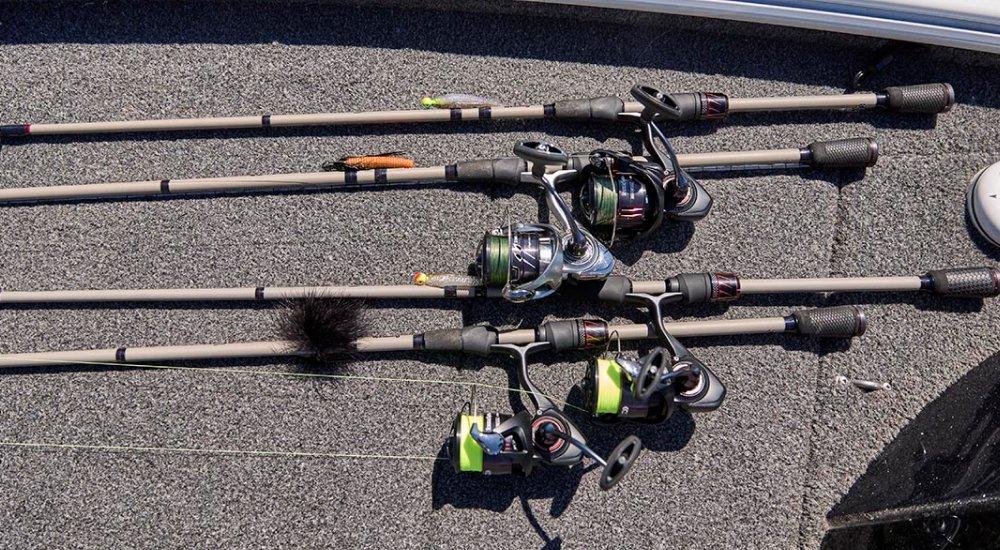
When getting your tackle box ready for the season, it’s important to stock up on the right types and sizes of fishing hooks. Conditions on the water can change quickly—shifting weather, water temperature, and fish behavior can all affect what they’re biting on. With a well-prepared setup, you’ll be ready to adapt and make the most of your time on the water.
In this guide, our Fishing Experts explain the different parts of a fishing hook and the most common types available so you can choose the best options for your fishing style and target species.
Parts of a Fishing Hook
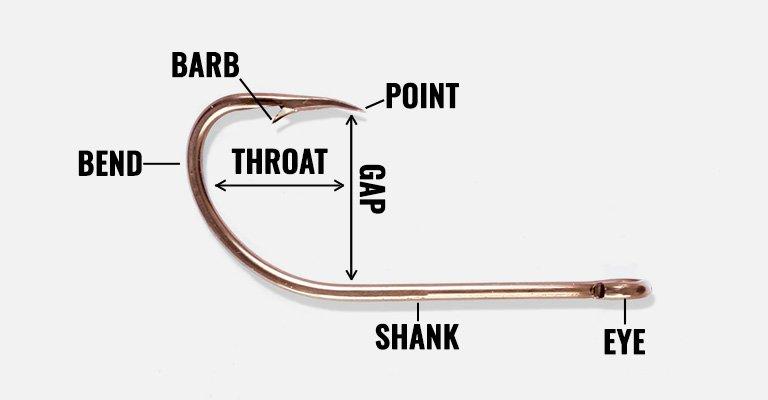
Before diving into specific hook types, it’s helpful to understand the basic parts of a fishing hook. Knowing how each part works will help you choose the right hook for different techniques and species.
-
Eye: The eye is the loop at the end of the hook's shank where you tie your fishing line or leader. Different eye styles (turned up, turned down, straight) can affect knot strength and presentation.
-
Shank: The shank is the straight portion of the hook that connects the eye to the bend. Shank length varies to match different types of baits and techniques—longer shanks for live bait and shorter ones for compact presentations.
-
Bend: The bend is the curved section of the hook between the shank and the point. The shape of the bend (wide, narrow, round, or squared) is a defining characteristic of different hook types and influences how the hook holds bait and engages a strike.
-
Point: The point is the sharp end of the hook that penetrates the fish’s mouth. Different point styles (needle point, knife edge, rolled-in) impact penetration and holding power.
-
Barb: The barb is a small projection near the point that helps prevent the hook from slipping out once it’s set. Some anglers choose barbless hooks to make catch-and-release easier.
-
Gap: The gap is the distance between the shank and the point of the hook. A wider gap provides more room for hooking larger fish or accommodating bulkier baits.
-
Throat: The throat is the distance from the point to the bottom of the bend. The depth of the throat affects how deeply the hook can set in the fish’s mouth and helps determine the holding strength.
Types of Fishing Hooks
There are several different types of fishing hooks, and choosing the right one for your target species and fishing style is critical.
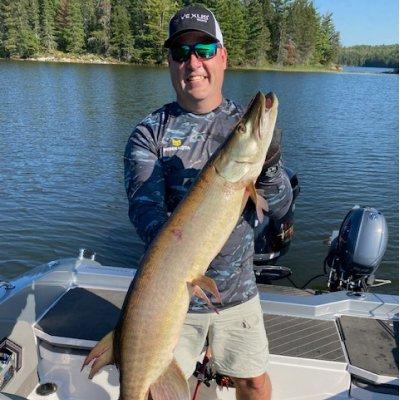
“For a serious angler, the hook is more than just a tool—it's the point of connection between skill and success. Choosing the right hook for the right situation can mean the difference between landing the catch of a lifetime and telling a story about the one that got away.”
Worm Hooks
Worm hooks feature a distinctive wide gap and a specialized bend that are perfect when using soft plastics and creature baits.
-
Great for bass or multi-species anglers
-
Ideal when fishing in heavy cover like lily pads, grass, or submerged timber
-
Other names include EWG (Extra Wide Gap) hooks
Octopus Hooks
Octopus hooks feature a short shank and a wide round bend making them ideal for live bait presentations.
-
Great for walleye, multi-species, and ice anglers
-
Perfect for presenting minnows, worms, leeches, or other live bait naturally
-
Popular for jigging, slip bobber fishing, ice fishing, and targeting panfish, trout, and salmon
Aberdeen Hooks
Aberdeen hooks feature a long shank that makes baiting and hook removal easy, making them great for panfish like crappie, bluegill, and perch.
-
Great for multi-species and ice anglers
-
Light wire allows the hook to straighten under pressure, helping save your line if snagged
Treble Hooks
Treble hooks have three evenly spaced points on a single shank, offering excellent hooking potential for artificial lures and bait rigs.
-
Great for predator species like pike, musky, trout, bass, and walleye
-
Commonly used on crankbaits, jerkbaits, topwater lures, and spoons
-
Offers greater success when fish strike aggressively
Circle Hooks
Circle hooks feature an inward-curving point that helps prevent gut-hooking and promotes easy release.
-
Ideal for catfish, trout, salmon, snapper, grouper, tuna, and more
-
Self-setting design reduces harm to fish—perfect for catch and release
Wacky Rig Hooks
Wacky rig hooks are small, lightweight hooks designed specifically for finesse bass fishing techniques.
-
Perfect for rigging soft plastic worms wacky style
-
Often features a weed guard for fishing around light cover
-
Popular with bass anglers using finesse presentations
Swimbait Hooks
Swimbait hooks are built for rigging soft plastic swimbaits with natural swimming action.
-
Ideal for bass, walleye, and pike
-
Screw-lock or bait keeper holds swimbait securely in place
-
Weighted or unweighted options let you control depth and retrieve speed
Weedless Hooks
Weedless hooks are designed with integrated wire guards or unique shapes that prevent them from snagging on underwater vegetation, rocks, or wood.
-
Great for fishing in heavy cover like lily pads, grass, or submerged timber
-
Ideal for bass and multi-species anglers who want to minimize snags and maximize fishing time
-
Allows you to present baits in dense areas where fish often hide
Related Expert Advice | Fishing Hook Size Guide >
Expert Help: What is a J-Hook?
You’ll often hear the term J-hook used to describe many common hook styles. A J-hook refers to any hook with the classic “J” shape—like worm, octopus, Aberdeen, and other hooks. These require anglers to set the hook manually, while circle hooks are designed to self-set in fish’s mouth.
Having the right types of fishing hooks in your tackle box gives you the flexibility to adapt to changing conditions and target a wide variety of species. Whether you’re rigging soft plastics for bass, live bait for walleye, or setting up for predator fish with treble hooks, understanding how each hook works will help you fish more effectively. If you have additional questions about choosing a fishing hook, stop into your local SCHEELS to speak with a Fishing Expert.


About our Experts
With nearly 30 years of experience in the outdoor retail industry, Tom has invaluable knowledge and experience with outdoor technology, especially in the fishing industry. On days off, Tom’s on the water fishing for bass.