



Types of Foiling: Which Hydrofoil is Right for You?
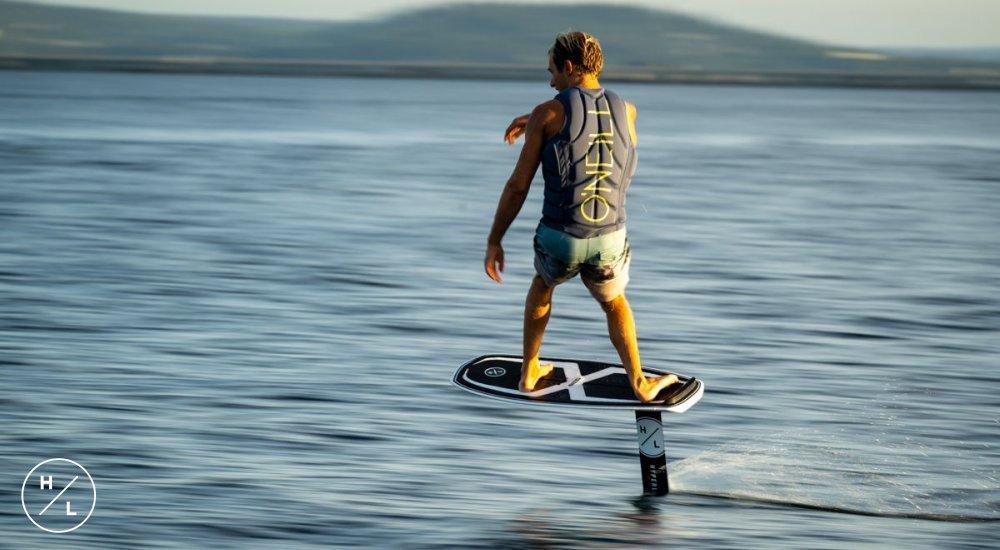
Hydrofoiling—also called foiling—is growing rapidly in popularity. Whether you’re a beginner or an experienced rider, understanding the different types of foiling and the right boards for your skill level and water conditions is key to having a safe, fun, and exhilarating experience. Our Experts break down each type so you can glide across the water with confidence.
What is Hydrofoiling?
Hydrofoiling allows you to glide above the water instead of on it. Using a fin or wing attached below the board, hydrofoils lift the rider, cutting through choppy waves and giving a smooth, fast ride. While it takes practice to master, anyone can enjoy this thrilling water sport.
Hydrofoil Board Components
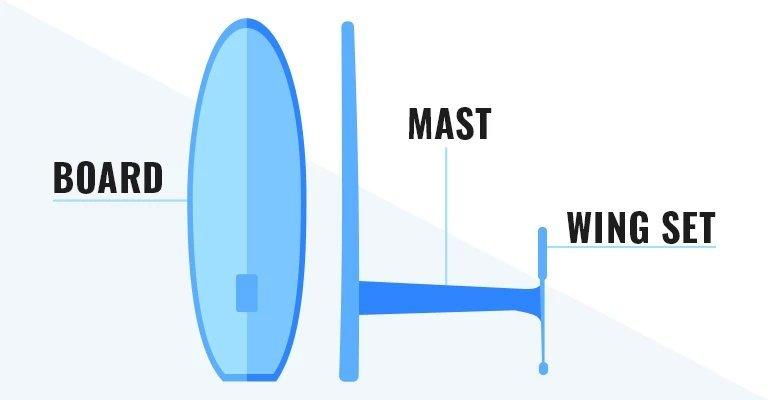
Hydrofoil boards resemble a surf or wakeboard on top of the water but underneath feature the components that make a hydrofoil:
-
Board: This is where the rider stands and controls the board.
-
Mast: Connects the board and wing; typically ranges from 24 to 28 inches.
-
Wing Set: Horizontal orientation with a longer wing in the front and shorter in the back, resembling the shape of an airplane.
How to Choose Your Hydrofoil Board
Your board choice depends on skill level and water conditions:
-
Beginners: Wider boards and larger wings for stability and easier control.
-
Intermediate/Advanced: Smaller wings for faster, more agile rides.
-
Water Conditions: Lakes and rivers are flatter—great for eFoiling and SUP foiling. Oceans provide waves and wind, perfect for foil surfing.
Types of Foiling
The type of foiling you choose depends on your skill level, board preferences, and water environment. Here’s a breakdown:
1. eFoiling
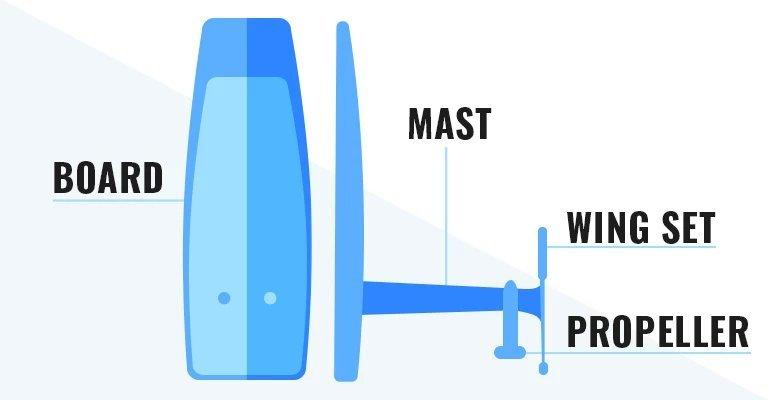
An eFoil is an electric hydrofoil surfboard powered by a propeller controlled with a handheld remote. Its consistent power and stable design make it ideal for beginners learning to glide above the water.
-
Best On: Lakes, rivers, oceans
-
Board: Wider platform for stability
-
Skill Level: Beginner
It's important to be aware of local water regulations before attempting to eFoil.
2. Wake Foiling
Similar to wakeboarding, wake foiling pulls you behind a boat with a rope and handle. Most common on lakes or rivers where there isn't always a natural wave, the boat's wake provides power that lifts the board.
-
Best On: Lakes & rivers
-
Board: Larger surface area for better control
-
Skill Level: Beginner/Intermediate
3. SUP Foiling
Stand-up paddle board, or SUP foiling is just as it sounds, combining a—smaller—paddle board with a mast and wing set, and using a paddle for additional control and speed.
-
Best On: Versatile depending on the type of SUP foiling
-
Board: Largest hydrofoil, but smaller than a regular SUP
-
Skill Level: Intermediate
There are three types of SUP foiling: Wave, Downwind, and Flatwater (pumping).
-
Wave: Similar to surfing, uses wave power to propel forward
-
Downwind: Riders use wind-produced swells for long glides
-
Flatwater/Pumping: Riders maintain motion by 'pumping' the board when waves are minimal
4. Foil Surfing
For those who live near an ocean, foil surfing will be the best option. Foil surfing is done without a rope or boat, purely using natural waves to maintain momentum. Foil surfing is easier to transition into once you have a good grasp on wake foiling.
-
Best On: Oceans
-
Board: Smaller in size and easier to maneuver
-
Skill Level: Intermediate/Advanced
5. Pump Foiling
When the waves are lacking, pump foiling allows you to enjoy the water by creating your own power. Pump foiling is when you use your legs and body to create an up-and-down motion on the board, creating force that keeps you moving forward.
-
Best On: Lakes, rivers, calm waters
-
Board: Shorter boards, larger wings
-
Skill Level: Advanced
If you're ready to elevate your water experience and step into the world of hydrofoiling, understanding which type is best for your skillset and water conditions is key. For more information on foiling, contact your local SCHEELS to speak with a Water Sports Expert.