



Types of Wood Bats
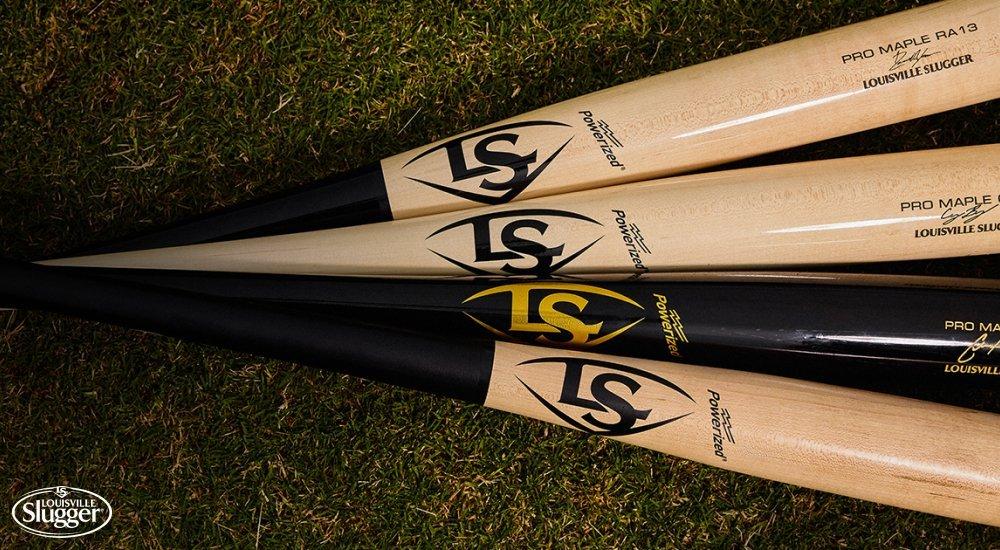
Wood baseball bats were the first type of bats to be used in the game, commonly just a wood post or wagon spoke. Wood bats have evolved in shape and size as well as material to enhance skill in both softball and baseball. Understanding key features and the different wood materials these bats can be made of will allow each player to choose the right one based on playing style, ultimately improving performance. Our Experts share their knowledge on how to choose a wood bat for the upcoming season.
Key Features of a Wood Bat
-
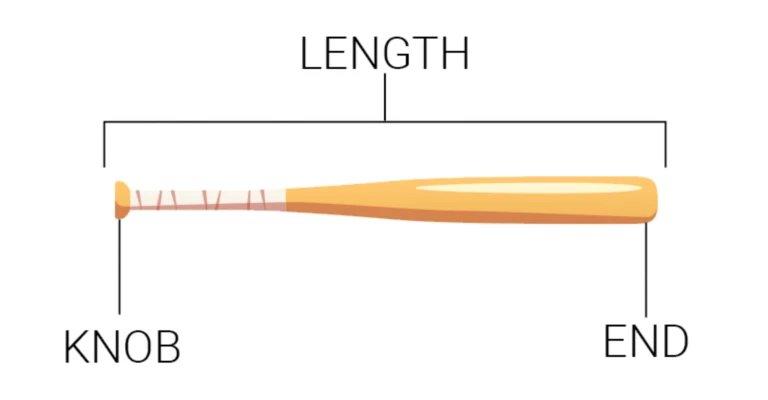
Knob: The knob is the bottom of the wood bat, near where players place their hands. It affects players' swings, prevents slippage, and determines the bat's weight distribution and overall feel.
-
Grip: This is where players place their hands. The grip, or handle, will vary based on player preference; some prefer a thinner handle for a quicker swing, while others opt for a thick handle for more power.
-
Taper: The taper widens into the barrel. Bat tapers come in different styles, each for performance, control, and delivery. The taper is the weakest part of the bat and will break more easily if in contact with the ball.
-
Barrel: The bat's widest, hardest, and most dense part. The barrel is the portion of the bat that makes contact with the ball.
-
End of Bat: Designed to improve balance and swing speed, the end of the bat is cupped or uncupped, each performing differently.
Types of Wood
The most common types of wood used for bats are maple, ash, composite wood, birch, and bamboo. Each type will perform differently, so knowing the difference between these materials is crucial when choosing a bat.
Ash Bats
Best For: Players transitioning from metal bats
Ash bats are typically made from white ash trees and are the lightest bats as the wood is the least dense. This allows for the bat to be extremely flexible with a larger sweet spot, which most players will prefer, increasing the contact area and reducing vibrations.
Note: Due to the decrease in the quantity of ash trees, ash bats may be more difficult to find.
Key Features:
-
Most lightweight wood bat
-
Larger sweet spot
-
Least dense
Bamboo Bats
Best For: Power hitters & new or young players
Bamboo is one of the newest wood types to be used as a bat. Since bamboo is technically a grass, these bats are constructed from multiple strips instead of one cohesive piece, making them extremely durable and lightweight.
Note: Bamboo bats are not currently approved by the MLB and require a BBCOR certification mark for organized play.
Key Features:
-
Flexible and forgiving on mishits
-
Lightweight and easy to swing
-
Durable hitting surface
Birch Bats
Best For: All-around hitters
For players who need a blend of power and control, a birch bat covers all the bases. Birch bats are light and flexible while maintaining the hard and powerful feel that delivers the important pop hitters are looking for. These bats resist flaking and are less likely to break, but do require a break-in for optimal performance.
Key Features:
-
Lightweight while remaining powerful
-
Flexibility allows for speed and whip
-
Less likely to flake or break
Maple Bats
Best For: Power hitters
As the preferred pro baseball bat, maple bats are also the hardest. Maple wood is notably stiff and dense, making these bats extremely durable and less prone to breaking. The rigid wood delivers a satisfying 'pop,’ but is less forgiving on mishits, requiring players to be disciplined in their hits.
Key Features:
-
Less flex results in stiff power
-
Hardest type of wood bat
-
Exceptionally durable
Composite Wood Bats
Best For: Power & contact hitters
Composite wood bats are created with a mixture of materials, including a type of plastic—resin and carbon fiber—on the inside. Comprised of two solid pieces of wood instead of one, composite bats are known for being extremely durable, resisting dents and cracks over time. These bats provide a larger sweet spot and reduce contact vibration, giving hitters enhanced power and precision.
Key Features:
-
Combines plastic & wood for ultimate durability
-
Resists dents and cracks throughout play
-
Enhanced sweet spot for optimal power
Choosing the right wood bat is important for any player, whether new to the game, transitioning from metal, or looking for an upgrade. Understanding the wood bat basics and different types of wood will ensure a successful season. For more information or questions on how to choose a wood bat, stop into your local SCHEELS and speak with an Expert.