



What Are Non-Slip Shoes?
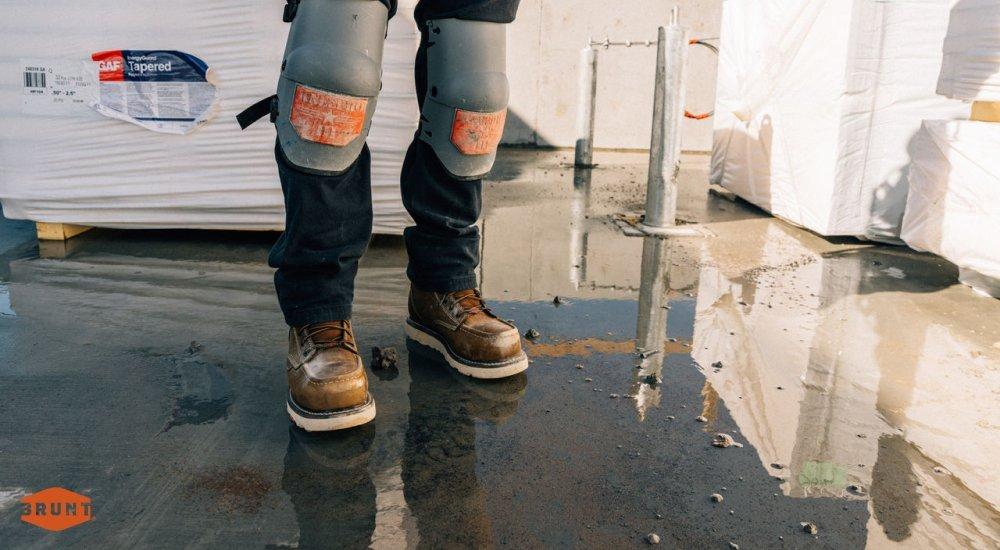
Slips and falls can occur anywhere—at work, out shopping, or at home. The right shoes play a vital role in keeping you safe on slick floors, in wet weather, and in oily environments. Non-slip shoes are designed for this purpose, but what exactly makes a shoe non-slip, and how do you know if one is right for you? Our Footwear Experts answer the key questions, helping you choose secure, comfortable footwear for any situation.
What Qualifies As a Non-Slip Shoe?
Non-slip shoes, or slip-resistant shoes, are built to reduce the risk of slipping on wet or slick surfaces. Their secret lies in superior traction, grippy outsole materials, and specialized tread patterns—a step above typical casual sneakers. To qualify as non-slip, shoes should feature:
-
Outsoles made from durable, slip-resistant rubber
-
Tread designed to channel away liquids and increase ground contact
-
Certifications from safety organizations for workplace requirements
These benefits aren’t just for professionals—anyone seeking added safety or stability can benefit from non-slip footwear.
How Do Non-Slip Shoes Work?
Non-slip shoes enhance traction, or the friction between your sole and the ground. They achieve this with features that work together to prevent slips and falls across a variety of surfaces.
Specialized outsoles, typically made of high-quality rubber compounds, offer both stickiness and flexibility, helping your shoe grip rather than slide. The rubber material flexes with each step, maintaining contact and adapting to uneven or slippery terrain.
In addition to material, unique tread patterns play a significant role. Deep grooves and multidirectional patterns move water or oil aside, maximizing surface contact and providing extra grip.
Who Needs Non-Slip Shoes?
Slip-resistant shoes offer valuable stability, even for daily errands or unpredictable weather. They’re commonly worn by or required for the following people:
-
Restaurant and food service workers
-
Healthcare, janitorial, and industrial staff
-
Outdoor enthusiasts and athletes
-
Anyone exposed to wet, oily, or slick floors
For many workplaces, non-slip shoes are required. For everyone else, they offer reliable support and peace of mind.
How To Tell If Shoes Are Non-Slip
Many styles of shoes can feature slip-resistant outsoles, including non-slip sneakers, work boots, and clogs. Typically, shoes designed to be non-slip will be specifically labeled as such somewhere in the description. Look for phrases like "non-slip," "slip-resistant outsoles," or "meets safety standards." If not clearly labeled, the following can help you determine whether shoes are slip-resistant:
-
Rubber Outsoles: Grippy rubber and visible tread are good signs
-
Tread: Deep, multidirectional grooves are ideal
-
Testing in Store: Try the grip on a clean, hard surface like store tiles or hardwood
Caring for Non-Slip Shoes
To maintain slip-resistance, regularly wipe down the outsoles, as oil and dirt can reduce grip. Keep an eye on the tread—if it starts to show some wear, it might be time to replace your shoes soon. Allow your shoes to fully dry after cleaning, and store in a cool, dry place.
Dependable traction transforms your safety and daily comfort, whether you’re navigating slick floors, spending time outside, or just running errands. Visit your local SCHEELS for help choosing, fitting, or learning more about non-slip shoes—our Footwear Experts are here to help you find your perfect pair.