



What to Wear Mountain Biking
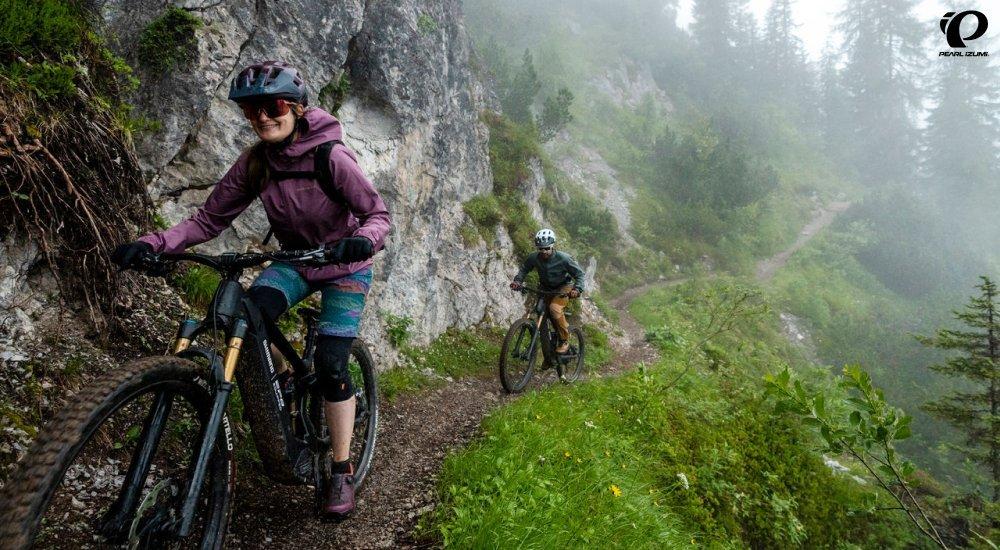
If you're new to mountain biking—perhaps transitioning from road cycling—you may be wondering whether your current gear is suitable for the trail. While there’s no rule against wearing road cycling apparel while mountain biking, many lightweight and breathable road-specific garments lack the durability and protection needed for rugged terrain. Mountain trails introduce additional challenges, from overhanging branches to sharp rocks, increasing the risk of snags, abrasions, and falls. Investing in gear designed specifically for mountain biking can help enhance both your comfort and safety on the trail. Our Bike Experts share some key essentials that will keep you comfortable—and most importantly protected—as you jump head-on into this exciting new sport.
Protective Gear
Setting yourself up with protective gear takes priority with mountain biking. The following pieces are essential to your setup:
Helmet
There are several different kinds of MTB (mountain biking) helmets for different disciplines of the sport, and it's important to ensure you pick the right one for your needs.
-
Cross-country riders can get by just fine with a road cycling helmet. However, whenever there are low-hanging branches or rocky, uneven surfaces to fall on, it's best to have an MTB helmet with a visor and more coverage on the lower part of your head.
-
Trail riders need extra protection from a visor and extra coverage that an MTB helmet offers, as the terrain is typically more technical.
-
Enduro riding includes highly technical routes and high-speed descents—the added coverage of a chin bar on an MTB full-face helmet is crucial here.
Our article on What Type of Bike Helmet to Buy offers some helpful tips on this topic.
Knee & Elbow Pads
Knee pads are recommended for all disciplines of mountain biking, but trail and cross-country riders can get away with lighter padding. For more technical trails, you'll want to protect yourself with elbow pads as well.
Glasses or Goggles
Eye protection provides an essential barrier against debris and sun glare. Some styles come with interchangeable lenses—tinted and clear—for use during both bright and low-light conditions. MTB sunglasses are popular for cross-country and trail riders, while goggles fit better with a full-face helmet and offer a more secure fit. Goggles are also a good choice in muddy, wet conditions for sealed weather protection.
Gloves
While there are plenty of fingerless cycling glove options that are favored by road cyclists, full-finger gloves are the better choice for mountain bikers for extra protection. Enduro styles are generally more padded, while lighter-weight options are available for trail and cross-country riders. In addition to better grip and cushioning, full-finger biking gloves can offer protection against cold, wet weather. Our selection includes both warm- and cold-weather cycling gloves. Check out our guide on Choosing the Right Cycling Gloves.
MTB Clothing
Road cycling clothing is typically very form-fitting for aerodynamics, but that's a lower priority in most mountain biking disciplines, for which baggier, more durable clothing is favored. The following clothing articles are worn by most riders:
Cycling Jersey
Compared to road cycling jerseys, mountain bike jerseys are typically more loose-cut. While long-sleeve and three-quarter options offer more sun and abrasion protection, short-sleeve jerseys will keep you cooler in hot weather. If you're going without a pack, you'll want to opt for a jersey with rear pockets for stowing essentials like food, spare tubes, tools, your keys, etc.
Mountain Bike Shorts & Padding
MTB shorts are typically longer and more baggy to accommodate knee pads. They're often made from sturdy, tear-resistant fabric with pockets, and many styles come with a removable padded liner, or chamois. You can opt to remove this liner and wear padded road cycling shorts or bike underwear as a cushioned base layer instead. If you're racing or riding cross-country, you may prefer wearing road cycling chamois shorts alone for better aerodynamics.
Cycling Socks
Long cycling socks are the best option to protect your shins and calves from cuts and abrasions. There are thicker waterproof options available as well as lightweight, breathable cycling socks for summer riding.
Cold-Weather Layers
Weather can change quickly in the mountains, so if there's any chance of a storm or cold front rolling in, you'll want to come prepared. The following layers are good to wear or pack with you in the winter or shoulder seasons:
- Mountain biking pants offer wind and water protection in cooler conditions. They should offer a close fit at the ankles while being roomy enough throughout the leg to not restrict movement.
- Insulating layers like cycling tights and a slim-fitting merino or synthetic base layer on your upper half provide lightweight warmth. Chamois-lined tights can substitute liner shorts.
- A mountain biking jacket is an essential layer to bring for wet or windy conditions. Look for a mountain bike-specific design with a hood that accommodates your helmet. Depending on how extreme the conditions are, you can choose between a packable, lightweight softshell or a hardshell that is thicker and fully waterproof.
Cycling Shoes
There are two types of cycling shoes: clip-in (or clipless) and flat-soled. Many cross-country and trail riders opt to ride with clip-in shoes as they would for road cycling. Flat-soled mountain bike shoes feature a rugged sole with metal pins and are ideal for quick dismounts and walking over obstacles on the trail. Depending on your pedals, you'll find that one type of shoe is more compatible or comfortable than the other, but this will also be a matter of personal preference. Our guide on How to Choose Cycling Shoes offers further guidance.
The list of gear needed to get started with mountain biking may seem long and overwhelming, but it ultimately comes down to ensuring you’re safe and comfortable. If you’re just starting or taking a more casual approach, then as long as you’re set up with proper protective gear, the clothing you already have can be enough. For extra assistance with finding the right gear, you can reach out to our Bike Experts at your local SCHEELS.