



What to Wear Under Hockey Gear
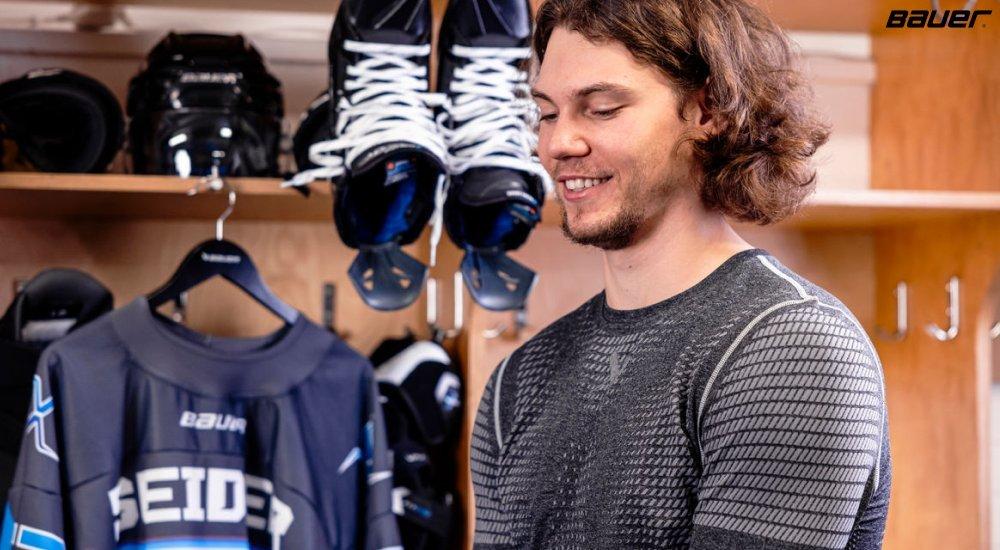
Beyond the skates, pads, and jersey, what you wear as your base layer is the foundation of your comfort and performance. It's the first line of defense against sweat and key to staying agile on the ice. In this guide, our Hockey Experts break down the essentials of what to wear under your gear and why each piece matters.
The Base layers
Base layers set the stage for the rest of your gear. They are a crucial barrier between your skin and your gear, working to manage sweat, regulate body temperature, and reduce chafing. For the best performance, choose synthetic materials like spandex and polyester that fit snugly against your skin. We highly recommend that you avoid cotton completely, as it holds moisture and can make you feel cold and uncomfortable.
Top Base Layer
A moisture-wicking compression shirt is your best option. You can choose either a long or short-sleeve style depending on your personal needs.
-
Long-Sleeve: Offers better protection and muscle support for your arms and can help with temperature regulation. Some shirts even have built-in, cut-resistant fabric around the forearms and wrists for added safety.
-
Short-Sleeve: Allows for a greater range of motion and provides a cooler feel for players who tend to overheat.
Bottom Base Layer
Compression bottoms are more than just a tight fit. The purpose of a proper compression garment is to help manage sweat, prevent chafing, and support your muscles as you move. They are also ideal for preventing overheating and supporting airflow. Some bottoms may even have built-in padding or be made with cut-resistant material for additional protection.
Protective Undergarments
The jock or jill is the most critical piece of under-gear, as it is an absolute necessity for holding a protective cup or a pelvic protector in place. Many modern jock shorts and pants have integrated features, like a cup pocket and velcro tabs to hold hockey socks in place, which eliminates the need for a separate garter belt. For women, a high-impact sports bra is essential, and some brands (such as Nike, Under Armour, and Brooks) offer specialized protective sports bras with built-in, removable inserts designed to absorb impact.
Socks
The right pair of socks is just as important as your skates. Knee-high, moisture-wicking skate socks are the best choice. This style is designed to pull moisture away from your skin, preventing the bunching, discomfort, and blisters that thick cotton socks can cause.
When it comes to thickness, neither thin nor thick is better—it comes down to personal preference.
-
If you need more support, prioritize warmth, or want more blister protection, opt for thick socks.
-
If you want your skates to fit snugly and need maximum ankle mobility, opt for thin socks.
Extra Tips from Experts
The right base layers are only part of it—knowing how to care for your gear and wearing it properly can make all the difference in your performance and comfort. Here are a few valuable tips to help you get the most out of your gear.
-
Hygiene and Care: Always dry your gear and base layers properly after each use. This prevents the growth of odor-causing bacteria and keeps your equipment in top condition.
-
Fit is Everything: Your base layers and undergarments should have a snug but not overly tight fit. A proper fit prevents bunching and chafing, allowing for a full range of motion.
-
Personal Preference: While certain materials and styles are recommended, what feels best to you on the ice is what matters most. Experiment with different options to find the perfect combination for your playing style.
If you have more questions about the right base layers for you, stop into your local SCHEELS and speak with one of our Hockey Experts.