



All About the FIFA World Cup 2026™ Ball: TRIONDA
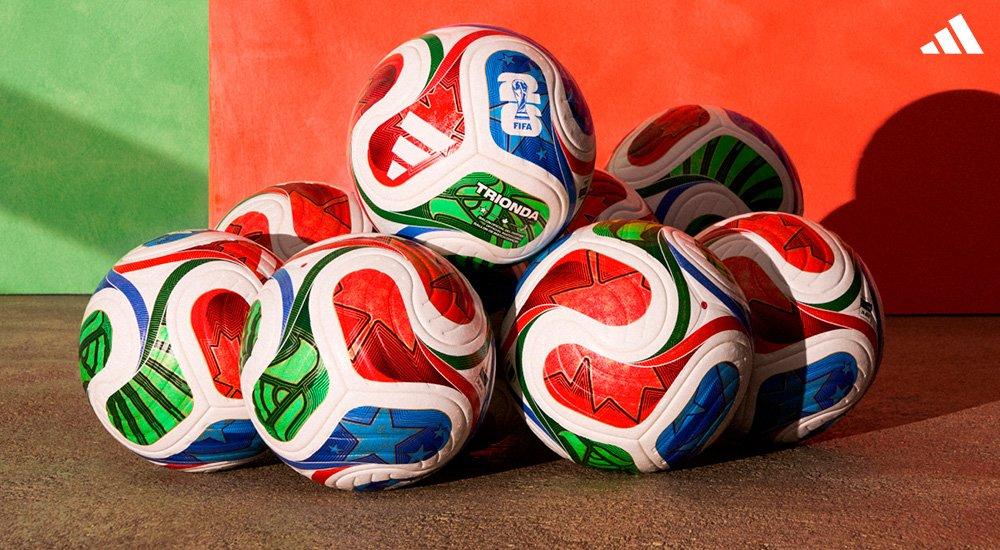
Anticipation is setting in for the FIFA World Cup 2026™, with the tournament making history being hosted by three nations—USA, Mexico, and Canada. At the center of the excitement is the official match ball, the TRIONDA, a piece of equipment that represents a symbol of the tournament, nations, and innovation. Here's everything you need to know about the official match ball for the 2026 FIFA World Cup™.
adidas: The Official FIFA World Cup™ Partner
For over 50 years, adidas has been the official and exclusive ball supplier for every championship. This partnership began in 1970 with the iconic Telstar ball and continues today. This long-standing tradition ensures each ball is meticulously designed with innovative technology and is crafted to meet the demands of the world’s best players.
What does TRIONDA mean?
Every FIFA World Cup™ ball has a story and history behind its creation. "TRIONDA" is a combination of words: "tri" for three, referring to the host nations, and "onda" for wave. This name represents the tournament, symbolizing a "wave" of unity that connects the first-ever multinational championship.
About the TRIONDA Ball Design
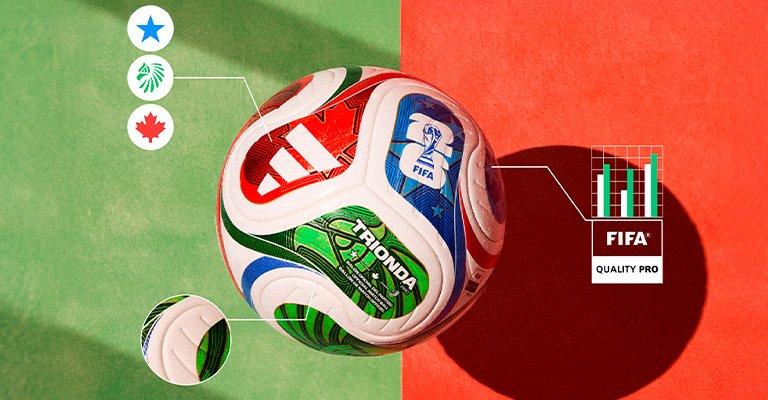
The visual design distinctly highlights each host country, drawing inspiration from its culture and identity. Canada is featured in red, bearing the adidas symbol; Mexico appears in green with the word "TRIONDA"; and the United States is shown in blue, displaying the 2026 FIFA World Cup™ emblem. Together, these tri-national colors and the ball's innovative four-panel construction make it stand out from previous FIFA World Cup™ soccer balls. While its overall appearance is reminiscent of the 2014 Brazuca, this design ensures both a distinctive look and reliable, consistent movement on the field.
Technology
In addition to its bold look, the TRIONDA incorporates advanced technology to enhance match play. Adidas has refined its innovative approach, building on the progress seen in prior tournament balls.
The TRIONDA features a thermally bonded, seamless surface for smooth, predictable flight. A key highlight is the embedded sensor technology—first introduced with the Al Rihla in 2022—delivering real-time data on speed, spin, and trajectory. This technology supports the Video Assistant Referee (VAR) system, providing officials with timely and accurate in-game information for improved decision-making.
Meeting FIFA Standards
Before a ball can be used in an official FIFA World Cup™ match, it must pass a series of tests to earn the FIFA Quality Pro mark—an official seal of approval that guarantees elite performance and consistency. The ball is put through rounds of tests to measure everything from its weight and circumference to its water absorption and shape retention. The smallest inconsistency can affect the ball's flight, so these tests ensure it will perform the same every single time.
Past World Cup Soccer Balls
Below is a comparison chart of past FIFA World Cup™ soccer balls, highlighting the progression of innovation over the years.
| Ball Name | Design | Innovation |
|---|---|---|
| Telstar (1970) | 32 black & white panels | Designed to appear better on predominantly black-and-white televisions, later became what we associate soccer with today. |
| Jabulani (2010) | 8 thermally-bonded panels | “Grip n’ Groove” texture, designed for enhanced aerodynamics, received criticism from players. |
| Al Rihla (2022) | 20 panels with textured shell | First tournament ball with integrated technology and a motion sensor. |
| TRIONDA (2026) | 4 thermally-bonded panels | Unique tri-national design with advanced sensor technology, thanks to Al Rihla’s success. |
For many soccer fans, the FIFA World Cup™ ball is more than just an item—it's a collector’s piece and a way to connect with the biggest event in the sport. Whether you're a player looking to train with a ball that delivers elite performance or a fan who wants to build their collection, the TRIONDA is a must-have. For more information about soccer or FIFA World Cup™ gear, stop into your local SCHEELS to speak to an Expert.